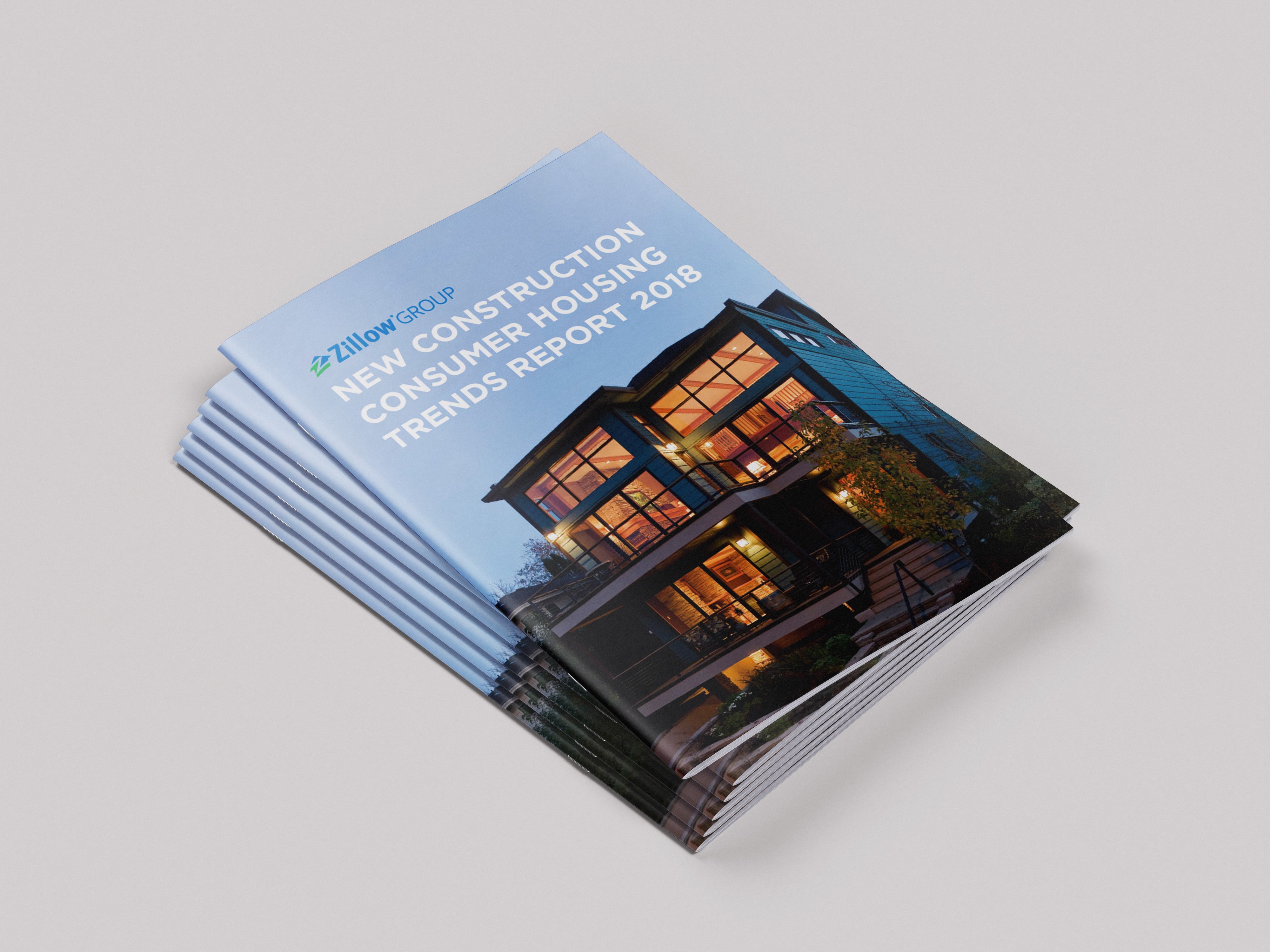
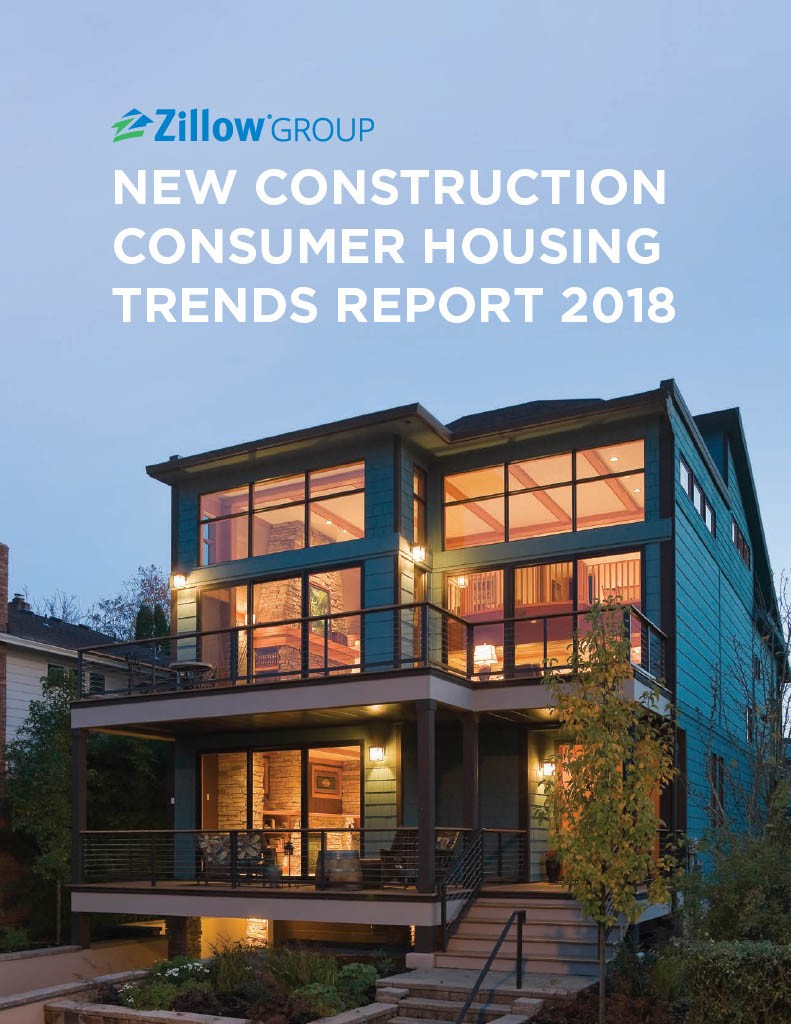
A 44-page digital + print research report designed under a very tight deadline, built around a flexible editorial system that can handle multiple data types without losing brand cohesion.
Client: Zillow Group
Deliverable: 44-page report (print + digital PDF)
Role: Visual / Editorial Designer
Focus: Information design, editorial system, data visualization consistency, print + digital production

The Challenge
Zillow Group needed a consumer-facing research report that could communicate insights clearly and credibly—while staying visually aligned with the Zillow brand. The reality: the document included diverse chart types, tables, and narrative content, and it had to be produced on a very tight deadline.
The core challenge was building an on-brand visual system flexible enough to accommodate a wide range of data treatments, yet cohesive enough to read as one unified report from cover to final page.
Objectives
Create a consistent editorial framework that scales across 44 pages.
Design a data visualization language that supports multiple chart types without “style drift.”
Maintain strong readability and hierarchy for both digital and print contexts.
Deliver production-ready files quickly—without compromising craft.
My Role
I supported the design and production of the report by translating content and data into a consistent set of layouts and visual rules.
Responsibilities included
Developing repeatable page layouts (section openers, narrative pages, data pages).
Designing chart and table styling to keep data clear and on-brand.
Applying type hierarchy, spacing, and grid rules across the report for cohesion.
Preparing final assets for both digital PDF and print output.
Approach
1
Build the editorial backbone first
With a tight timeline, the fastest path to quality was a strong foundation:
A clear grid and spacing system to stabilize every layout
A dependable type hierarchy for scanning (headlines, subheads, captions, footnotes)
A repeatable rhythm for narrative → data → key takeaway
2
Create a data visualization system that can flex
The report required different kinds of quantitative content, so consistency had to come from rules—not one-off styling.
System rules included
Chart typography standards (labels, legends, headings)
Consistent axis/label treatments and spacing
Callout and annotation patterns for key takeaways
A controlled use of color to support clarity and maintain brand cohesion
3
Design repeatable templates for speed
To move quickly without compromising consistency, layouts were built as modular templates:
Section opener template
Narrative template
Data-heavy template
“Key takeaways” template
This reduced rework and made it easier to maintain a unified experience across pages as content evolved.
The System in Practice
Section openers
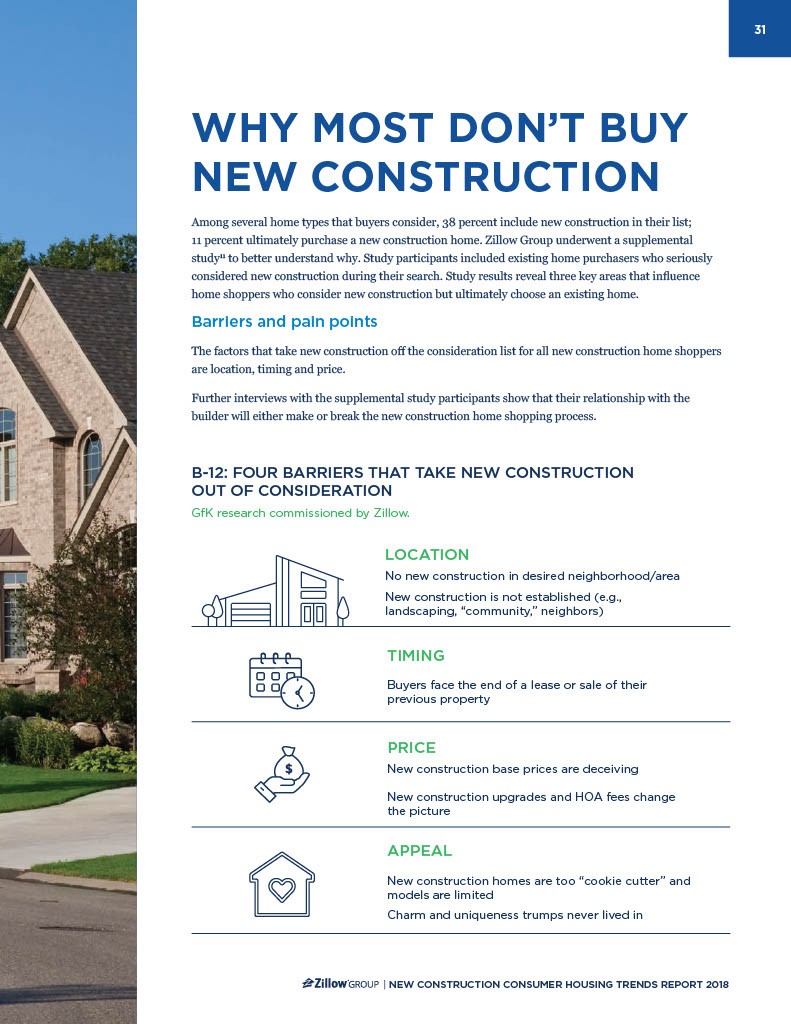
Section openers were designed to do more than “look nice”—they create structure in a long-form report and help readers orient quickly. I used a consistent opener pattern to establish a clear rhythm between sections while keeping the Zillow brand presence confident and restrained. The opener system set up hierarchy (section title → subhead → key takeaway) and created a predictable layout language that made the report feel coherent even as topics and chart types changed.
From a production standpoint, standardized section openers also helped maintain pace and consistency as content shifted, enabling fast updates without breaking the overall flow.
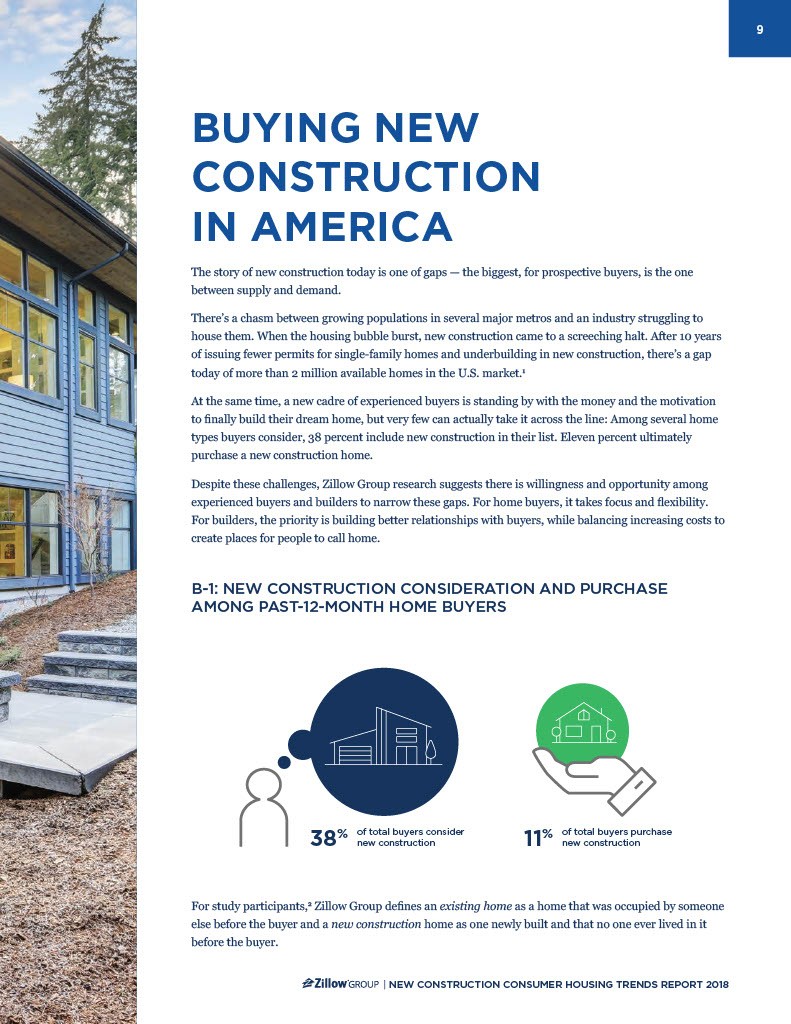
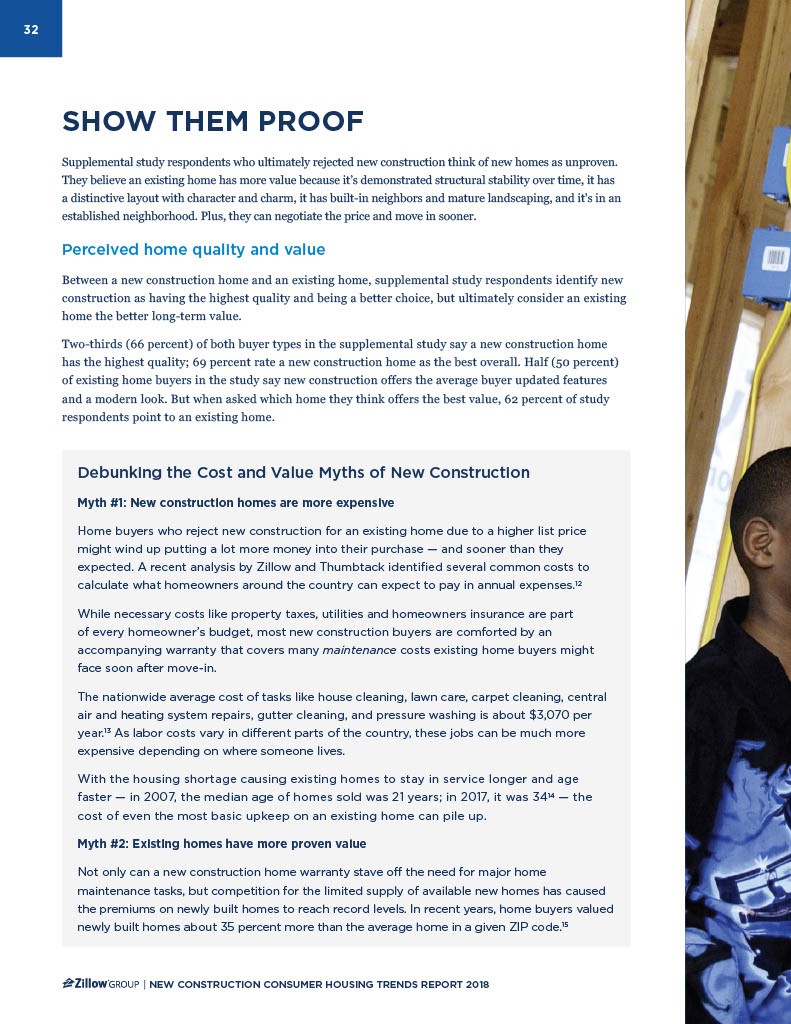
Narrative pages
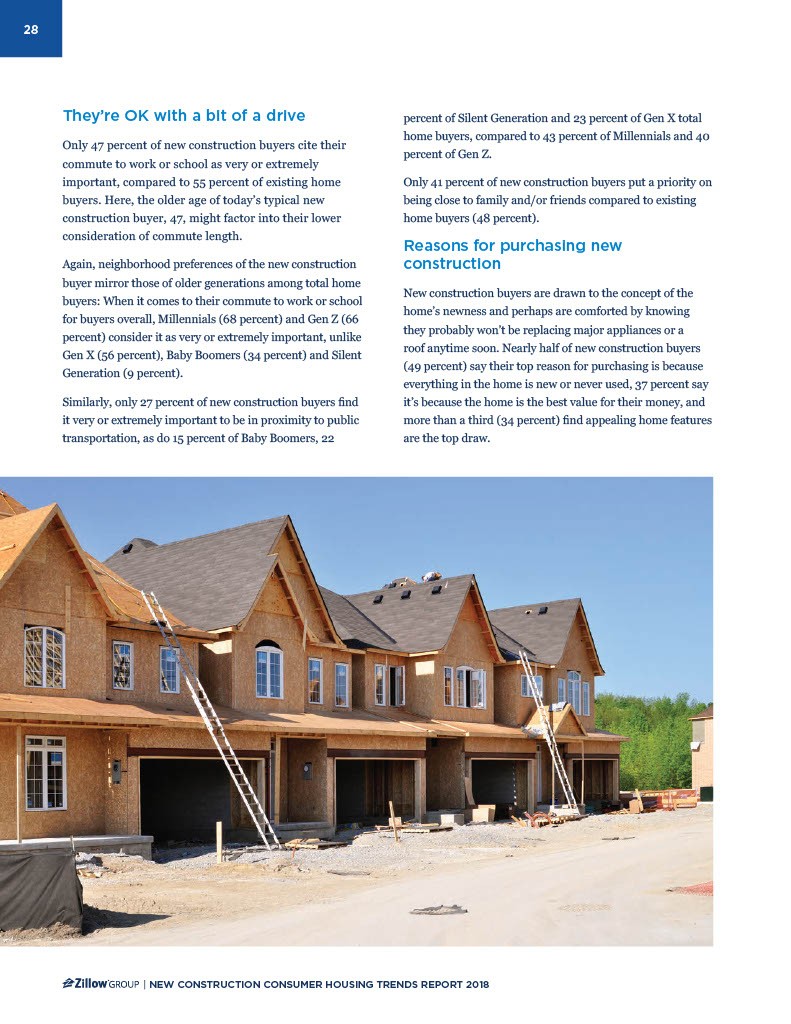
Narrative pages are where credibility is won or lost—readability, hierarchy, and pacing matter more than visual flourish. I applied a consistent typographic system and layout rhythm so content could be scanned quickly while still supporting longer reading. Callouts, and short “key point” modules were treated as system elements (not one-offs) to maintain consistency and create predictable emphasis points throughout the report.
This approach kept the document from becoming either a wall of text or a slideshow of disconnected layouts. The narrative system ensured the voice and structure stayed consistent across pages, even when the density and topic changed.
Data-heavy pages
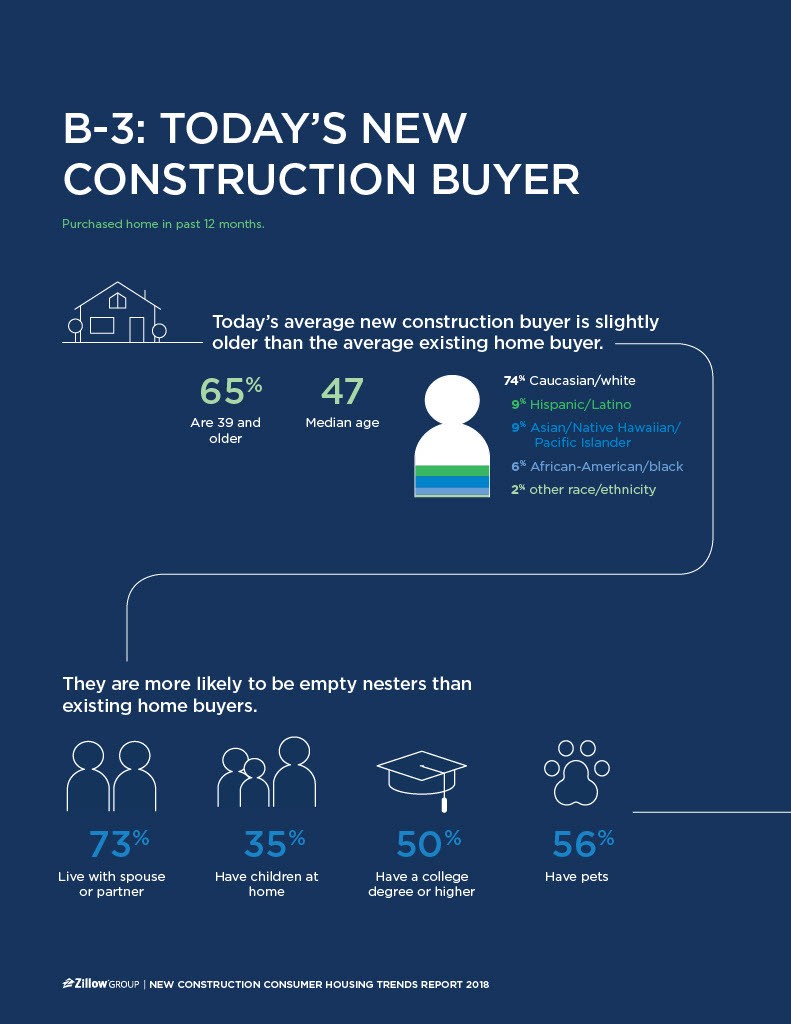
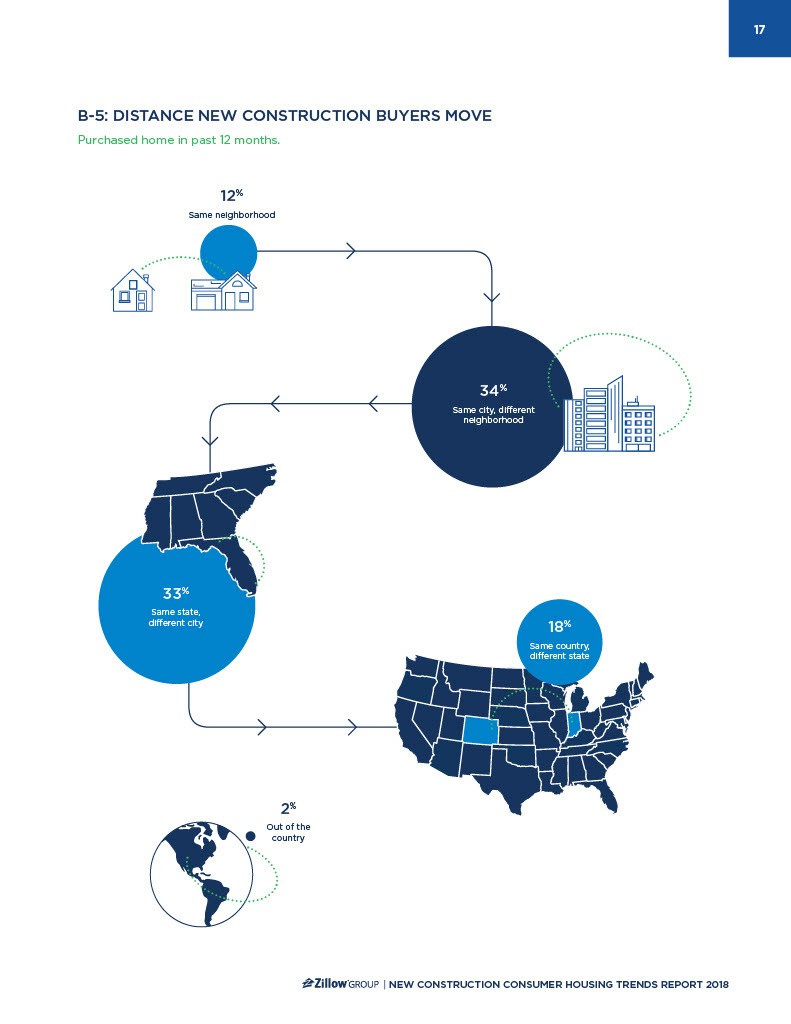
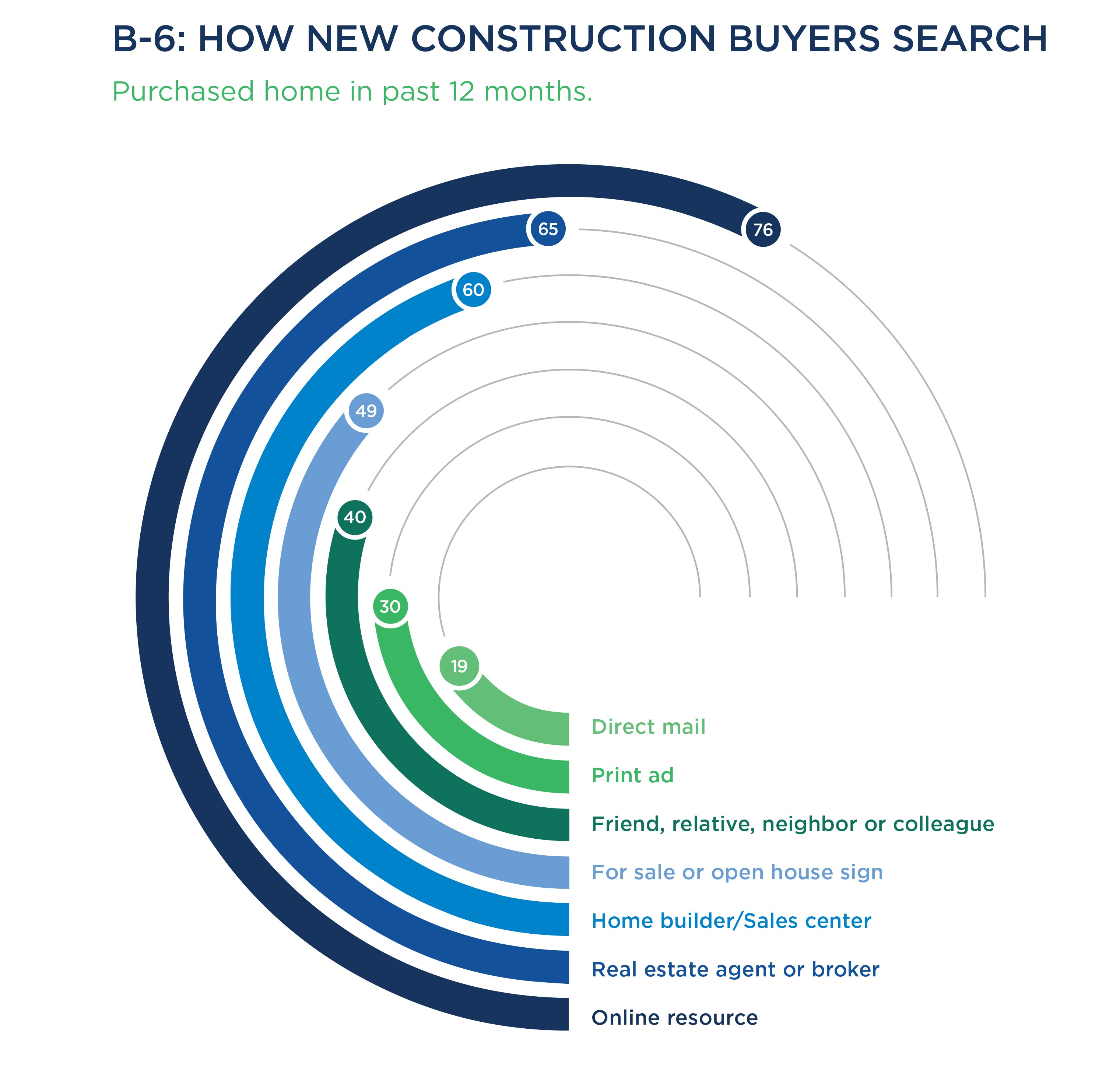
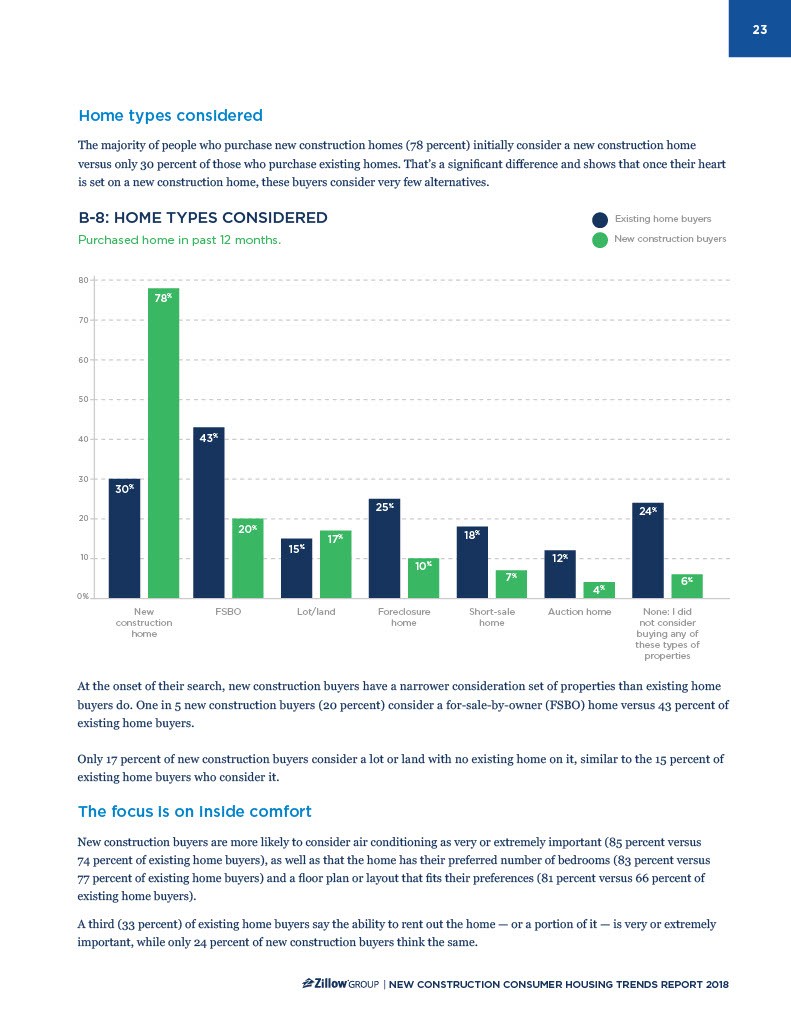
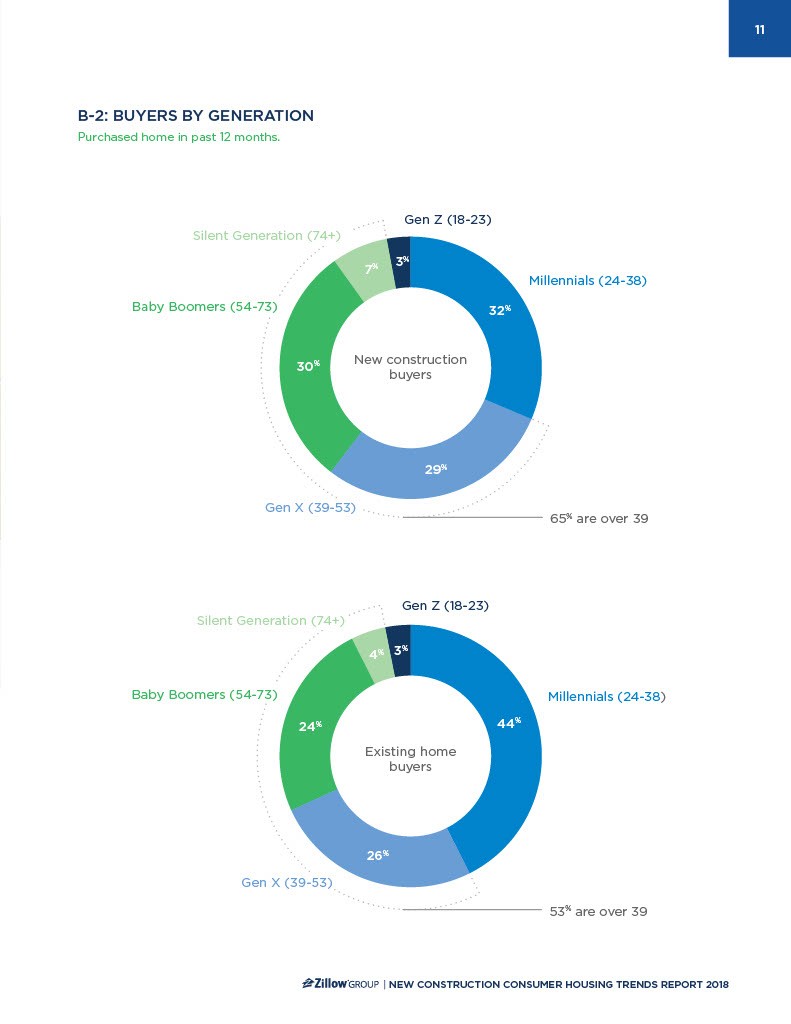
The report included varied data presentations, so the system needed to keep charts clear and consistent without forcing everything into a single format. I standardized the data visualization language—typography for labels and legends, spacing rules, annotation patterns, and controlled use of color—so readers could compare information across pages without re-learning how each chart works.
To keep the data pages readable, emphasis was handled through hierarchy and structure: a clear chart title, a short takeaway, and consistent supporting labels. When a page contained multiple charts or dense information, layout patterns maintained order through alignment and predictable grouping, so the page still felt composed and scannable.
The outcome was a data system that supported flexibility (multiple chart types) while maintaining cohesion (shared rules), which is critical in long-form research material.
Results + Deliverables
Results
The final deliverable was a 44-page report that reads as one cohesive branded experience while supporting a wide range of data and editorial content.
What this project demonstrates
Information design under real constraints (tight deadline, varied data).
Systems thinking: templates + rules that prevent drift.
Craft + clarity: readable hierarchy, disciplined layout, consistent chart language.
Deliverables
44-page digital + print report
Editorial layout system (grid, hierarchy, page templates)
Data visualization styling (charts, tables, callouts)
Print- and PDF-ready production files