Presentation Design Systems and Templates
Presentation systems designed for clarity, reuse, and strong visual communication across both AI training and real-world brand work.
The value of this work is not just cleaner slides. It creates reusable structure instead of one-off layouts, improves clarity under real communication pressure, helps teams present information more consistently, and gives deck content a stronger visual and narrative framework as it evolves.
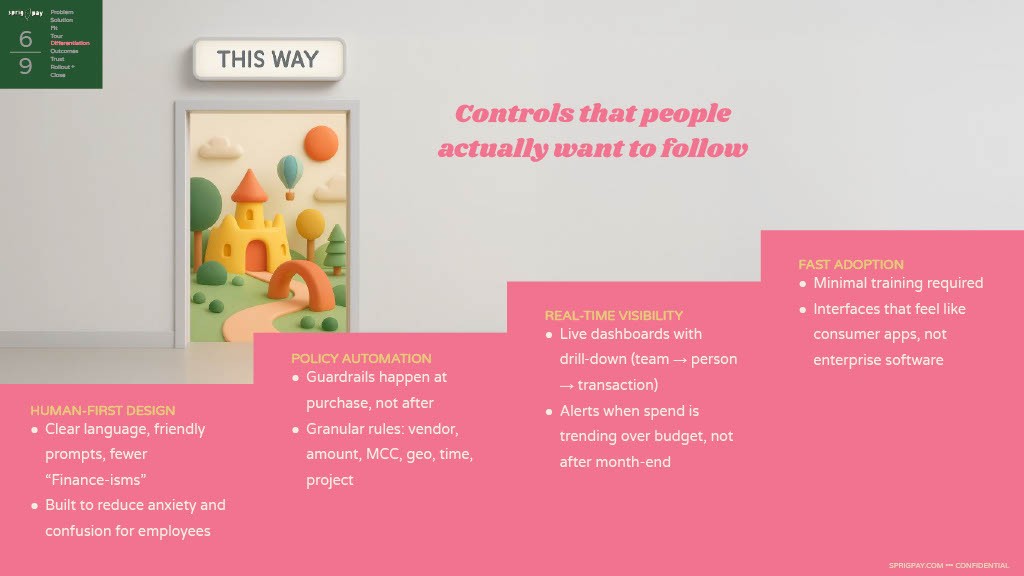
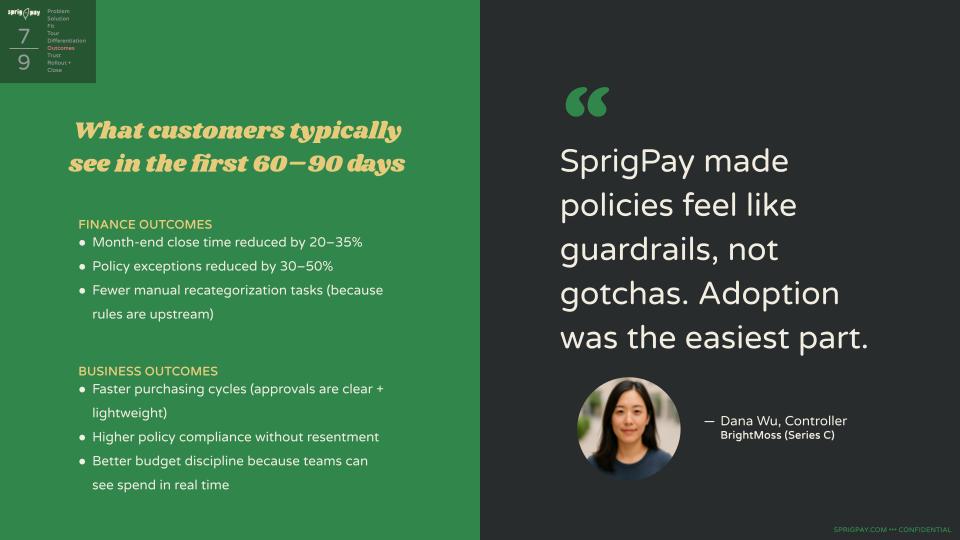
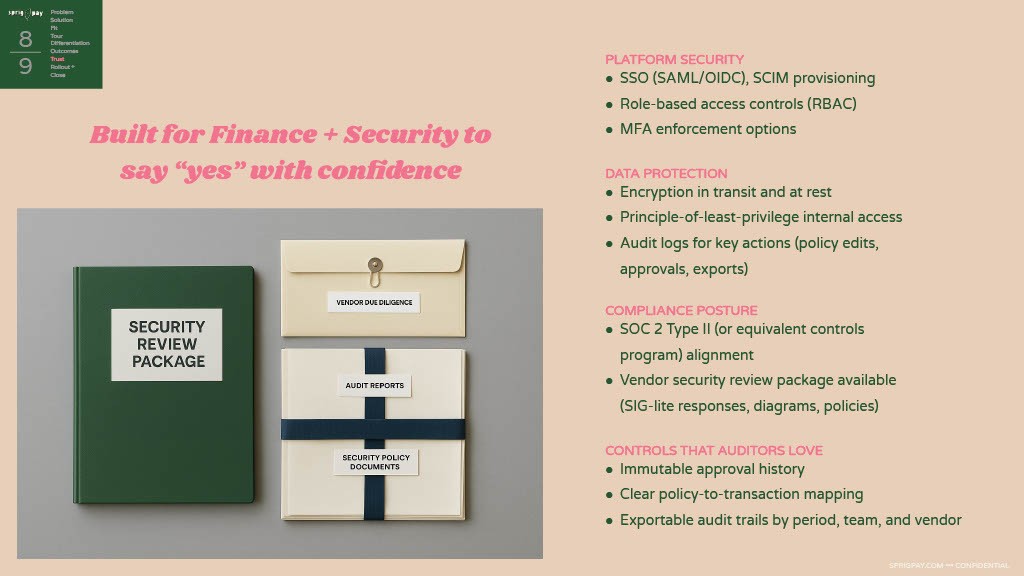
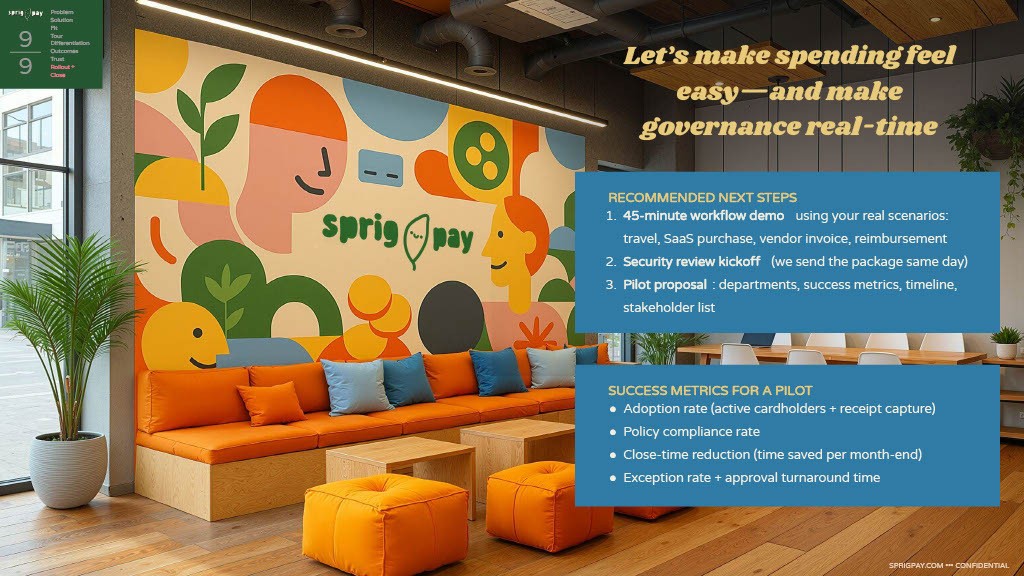
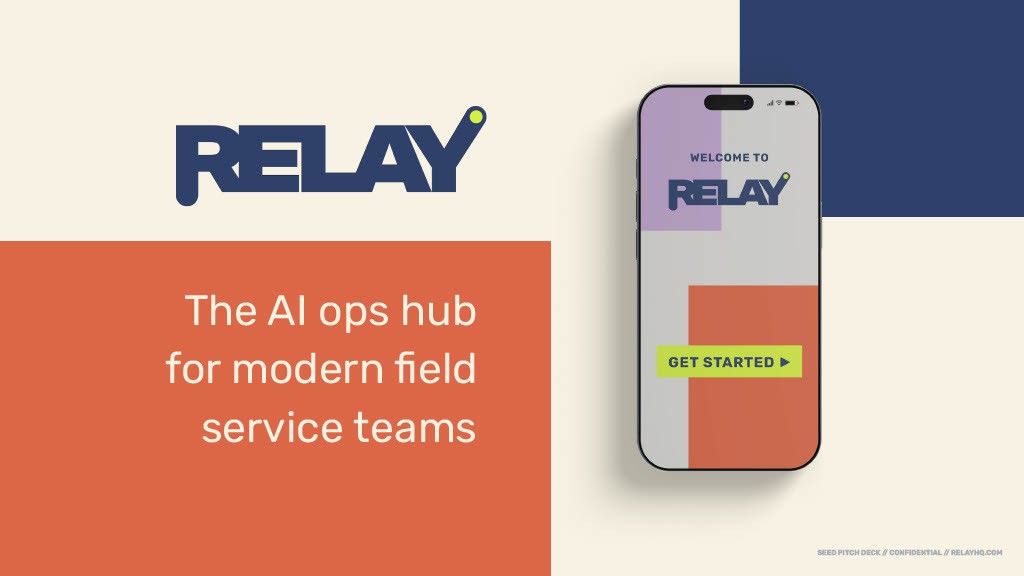
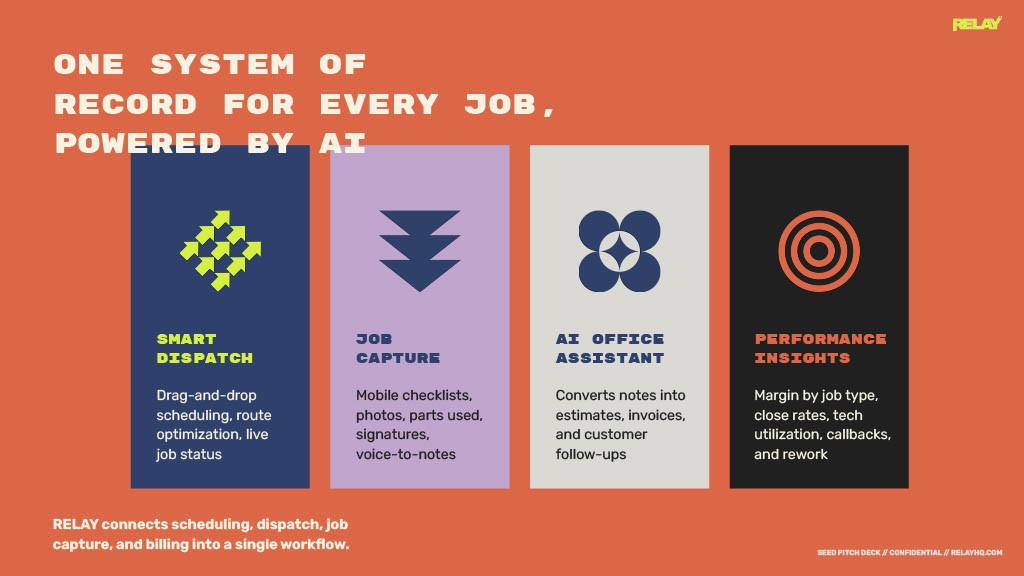
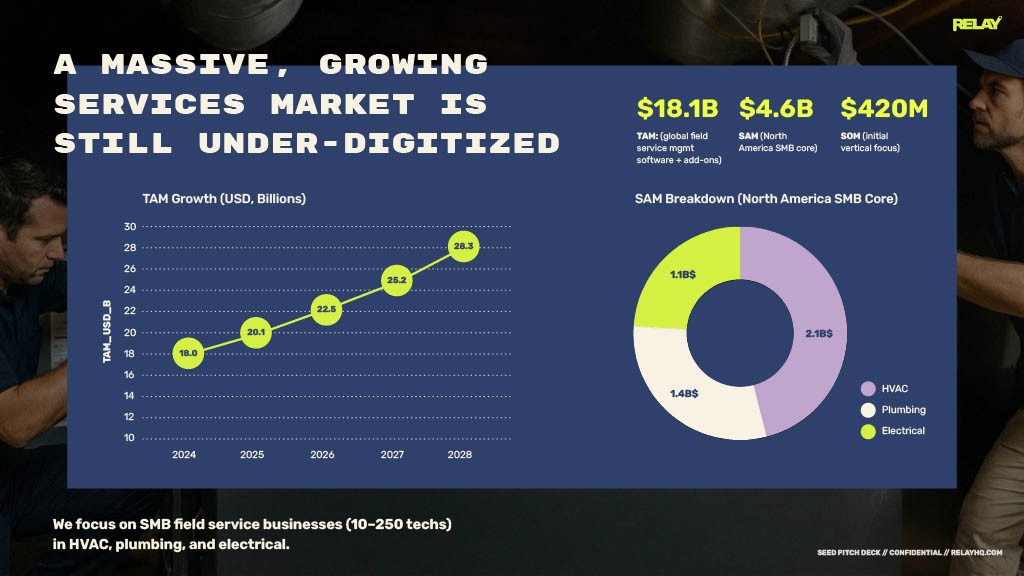
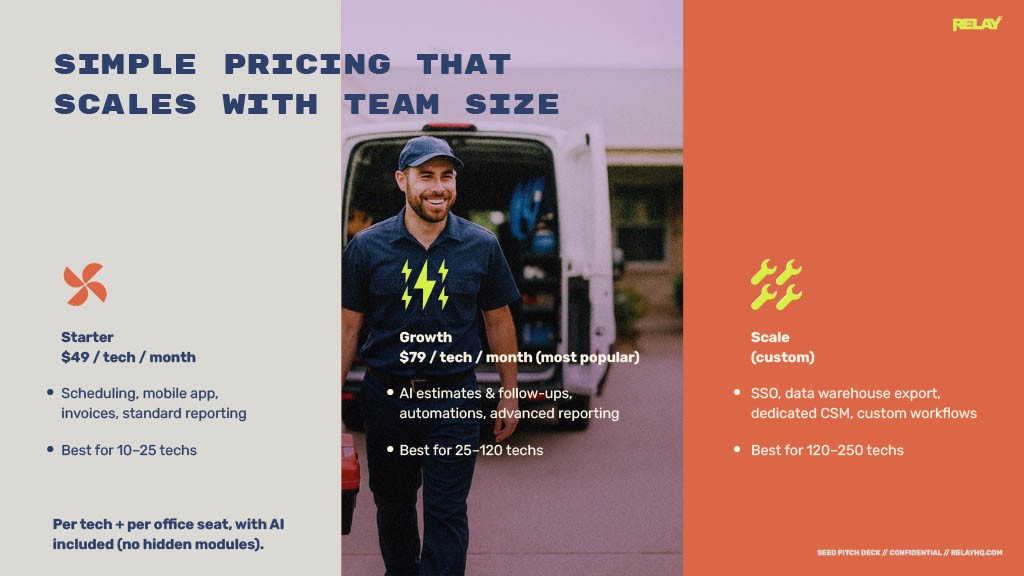
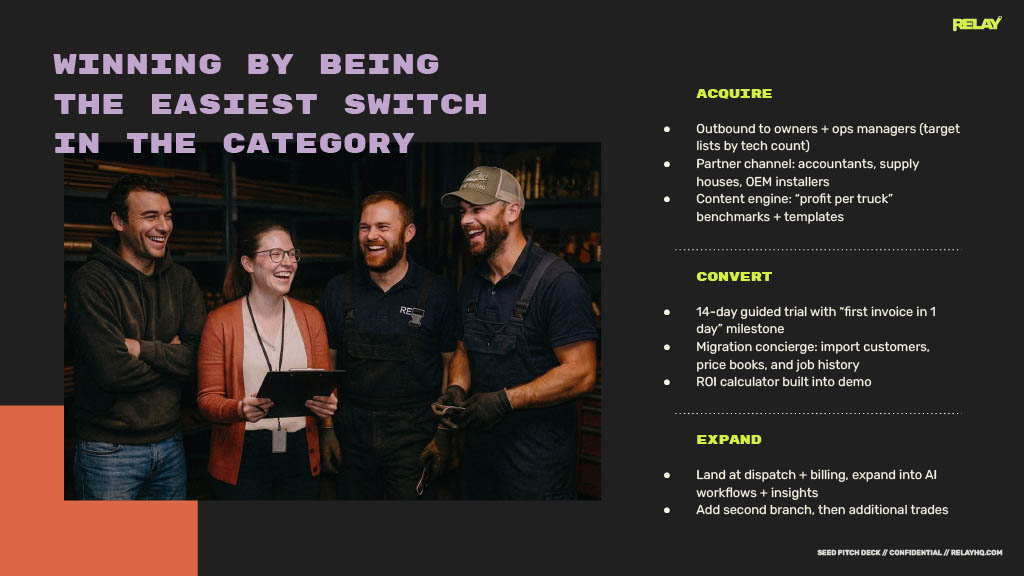
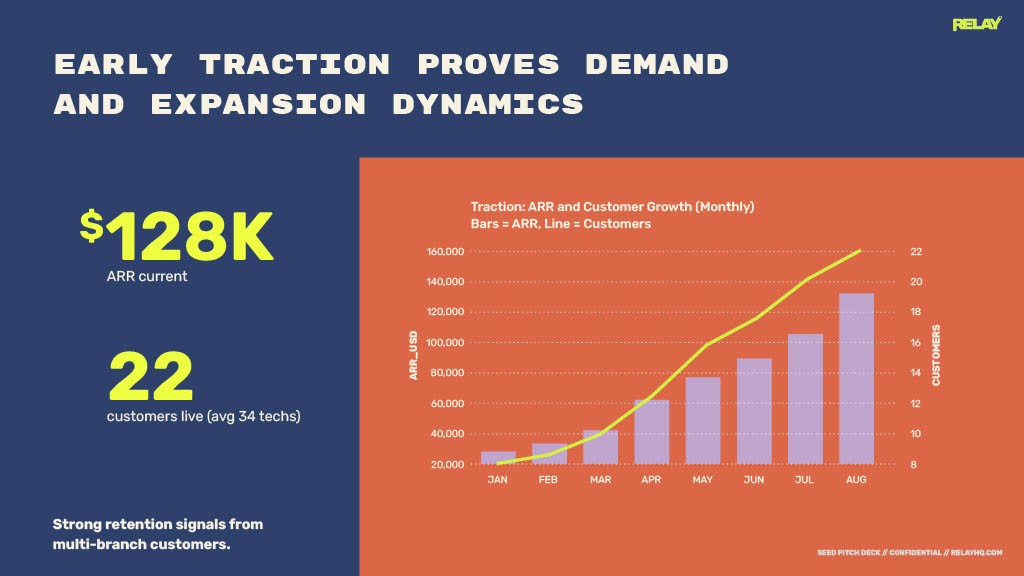
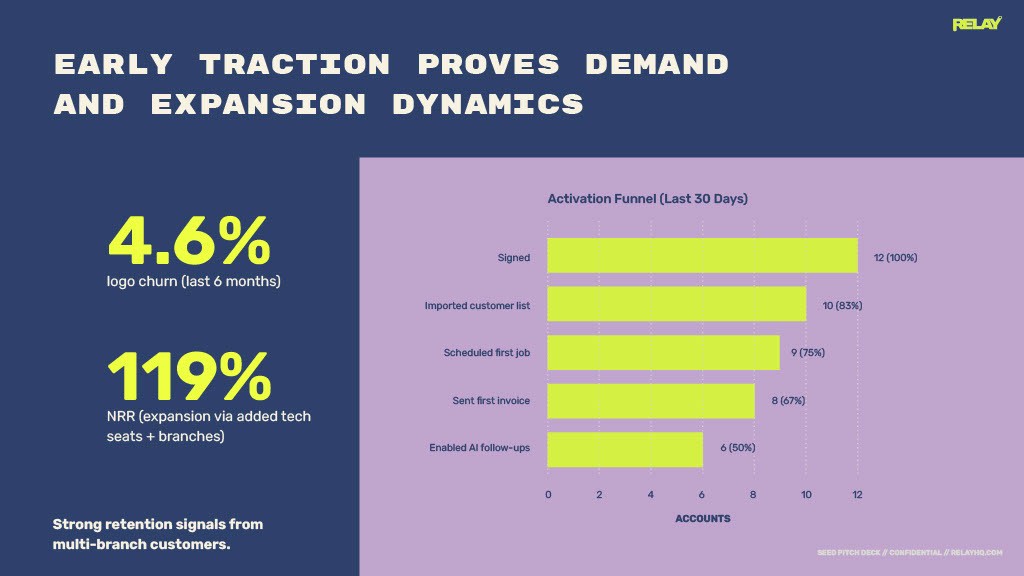
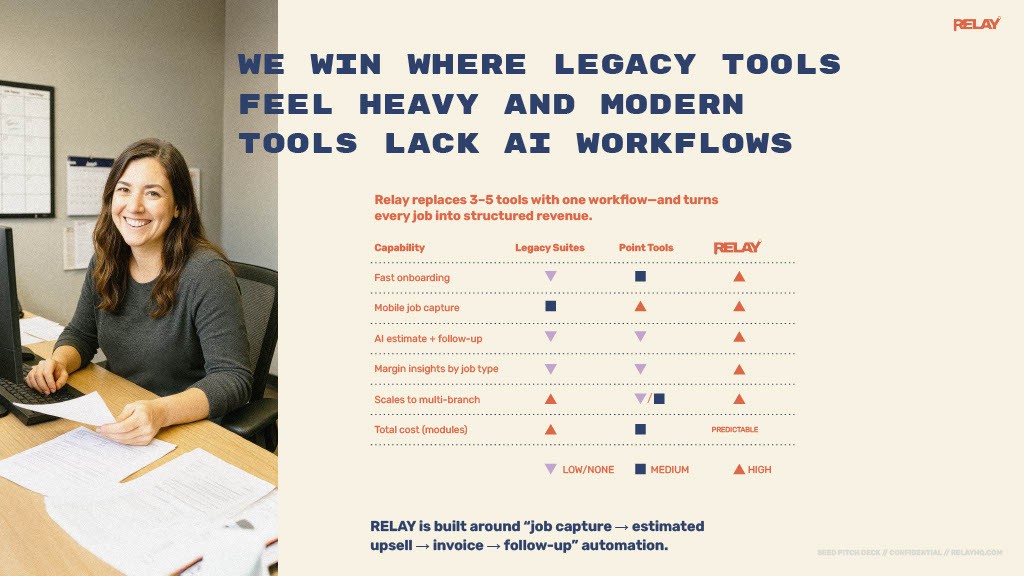
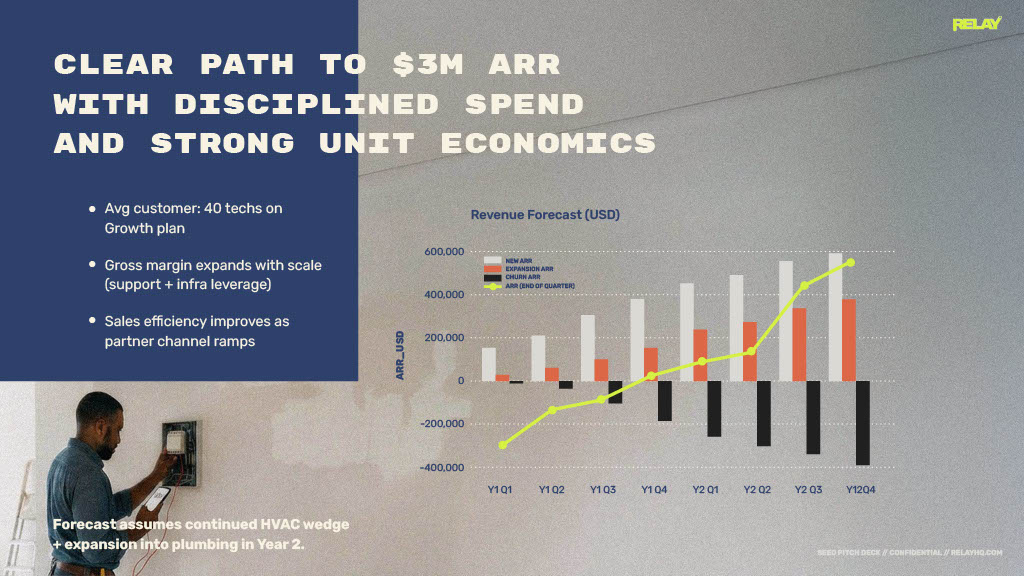
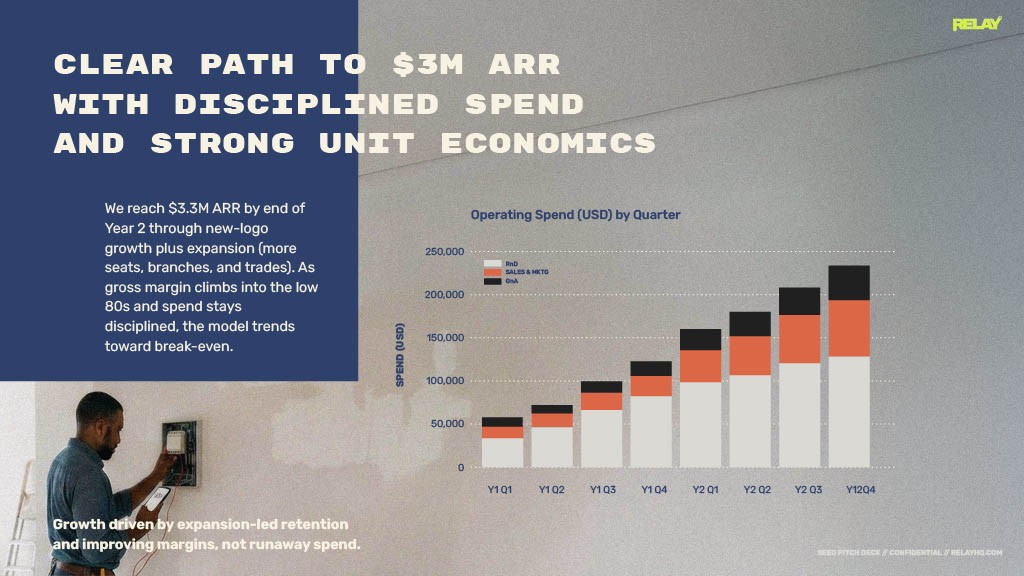
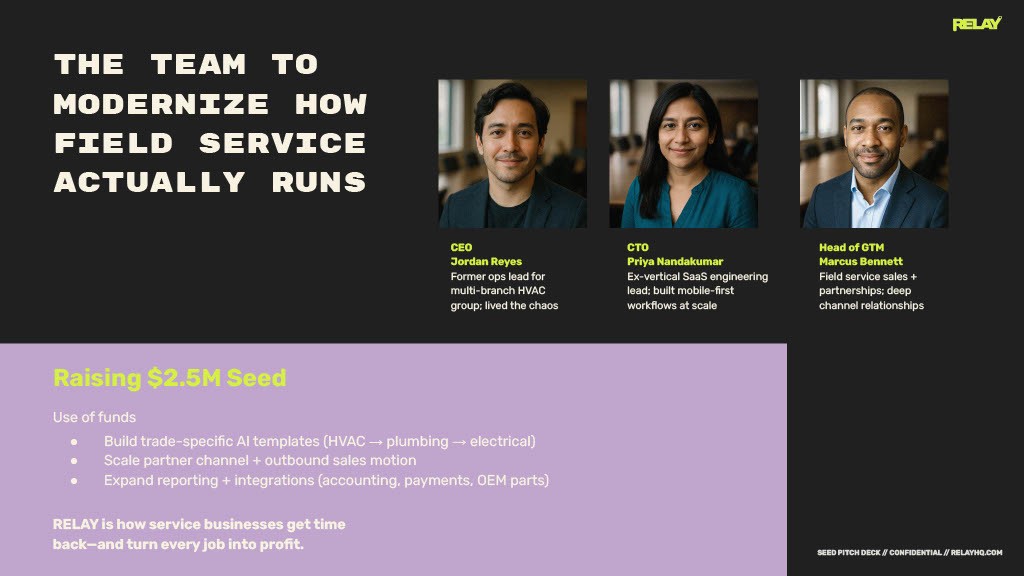
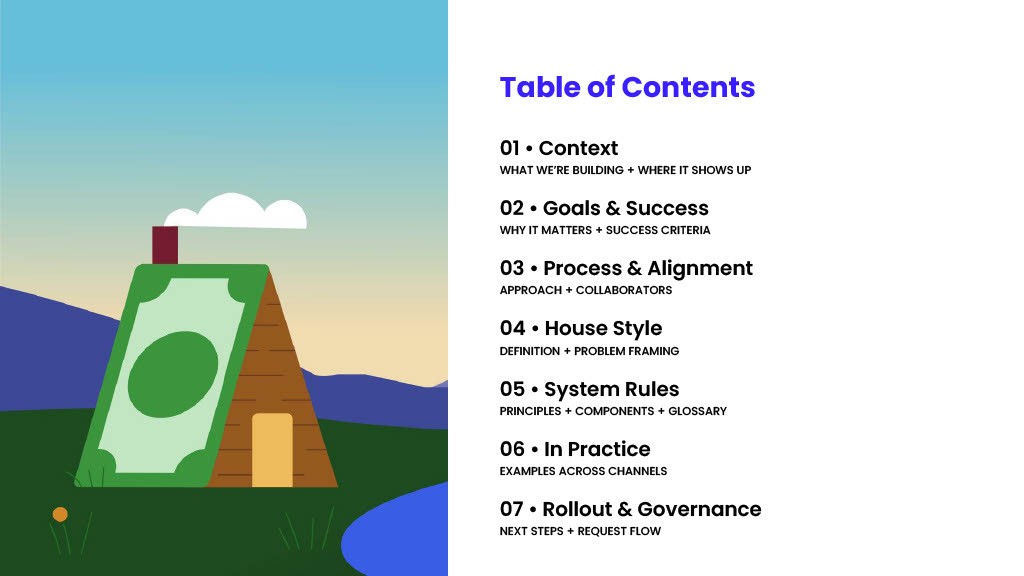
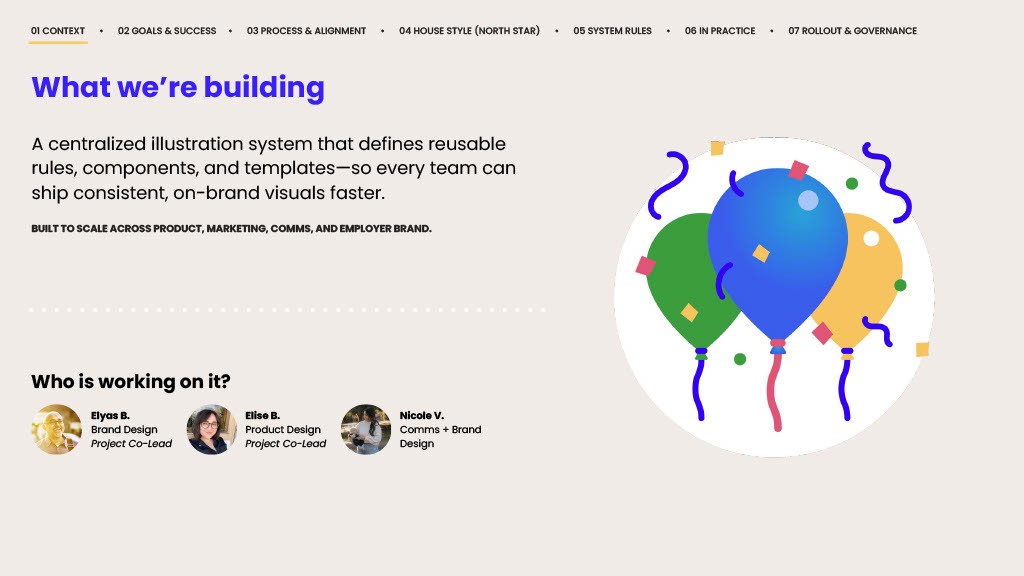
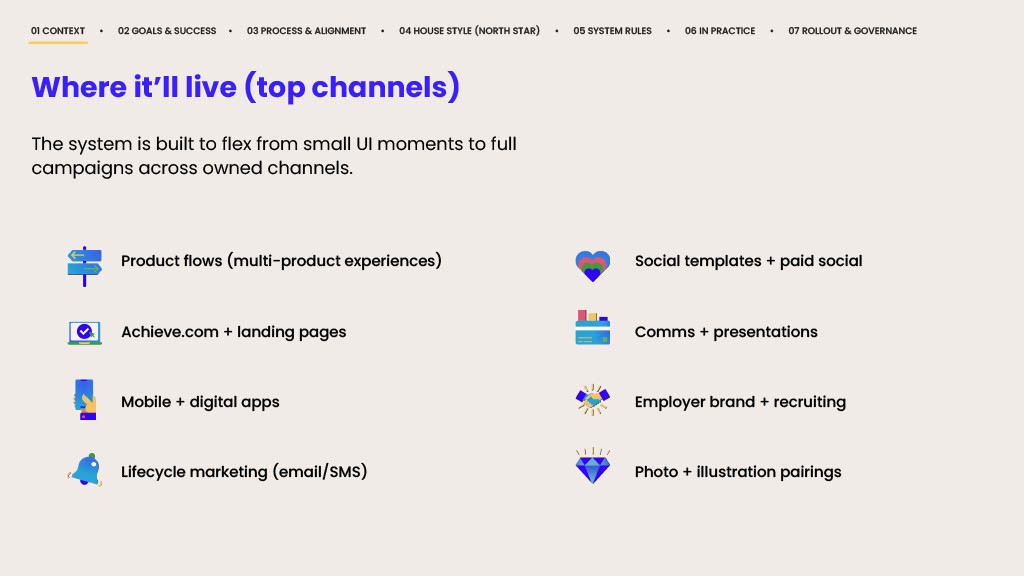
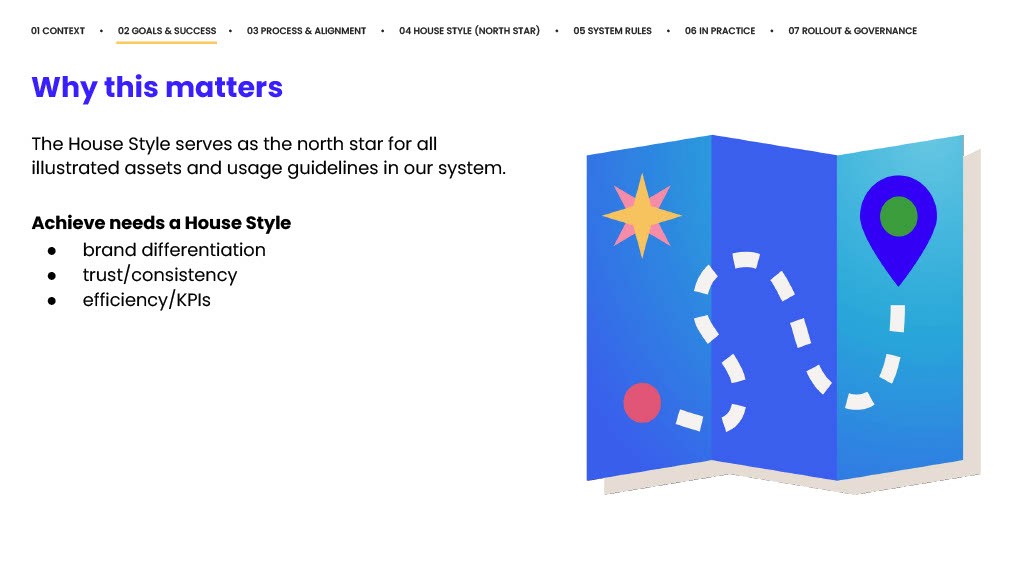
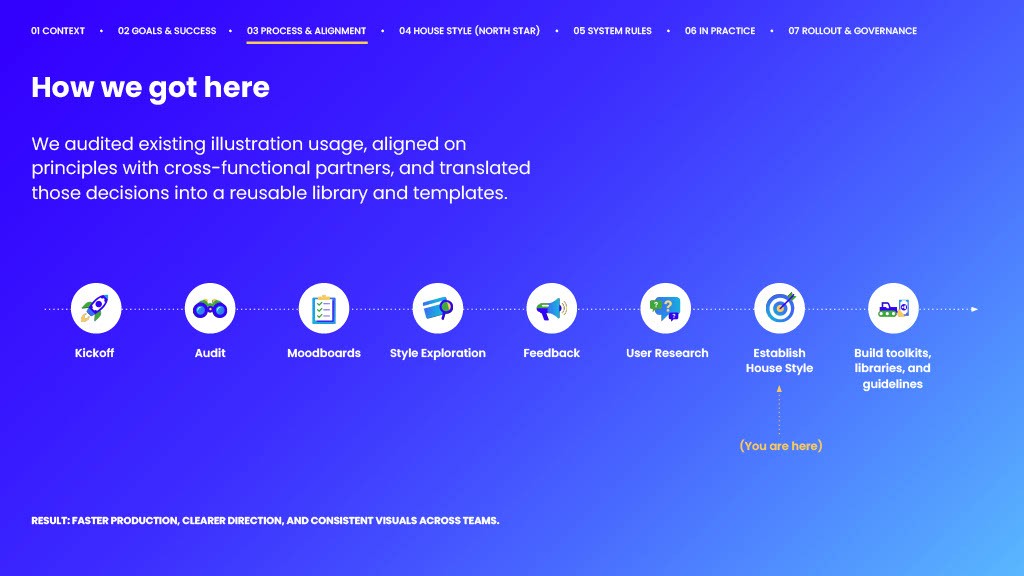
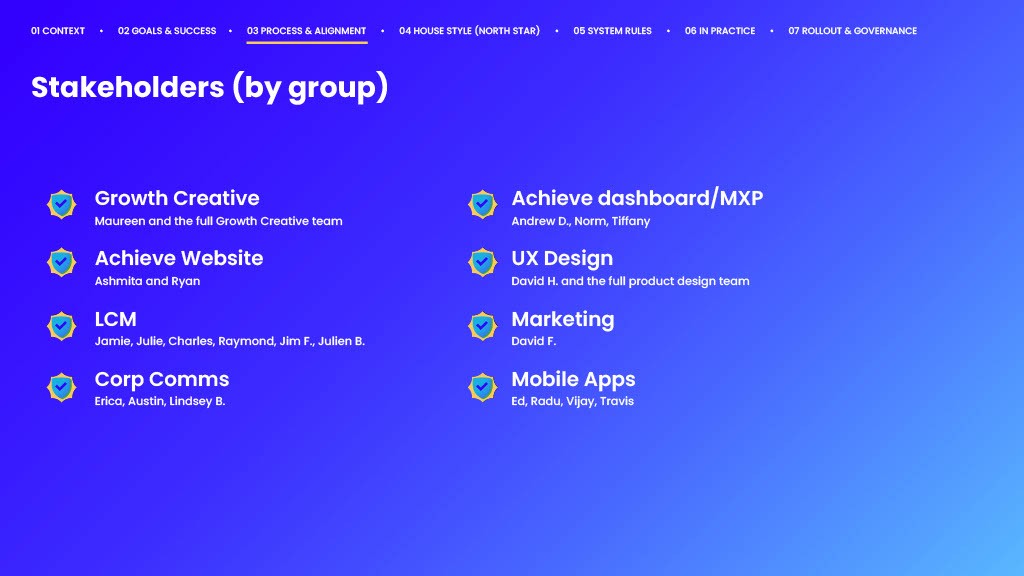
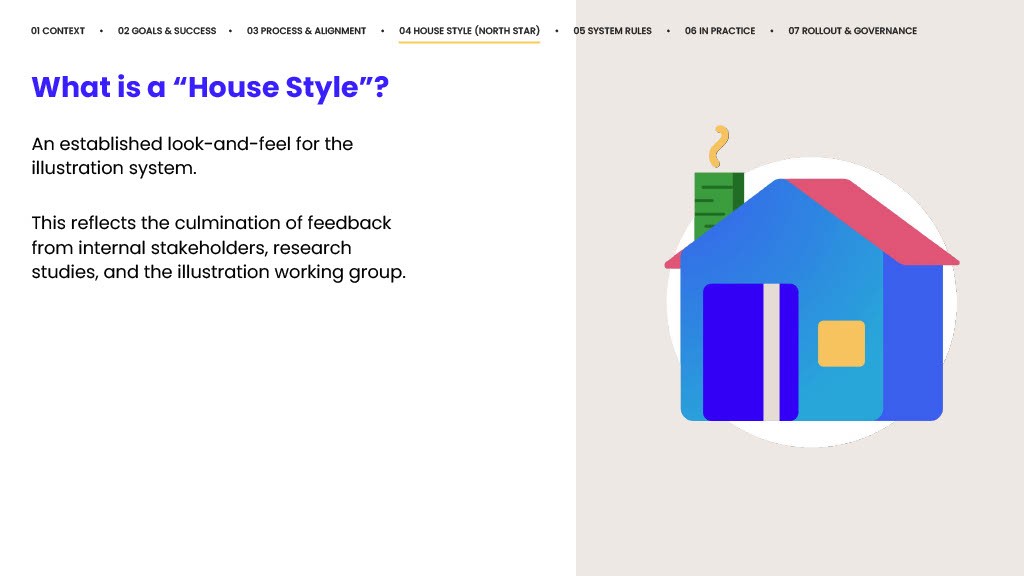
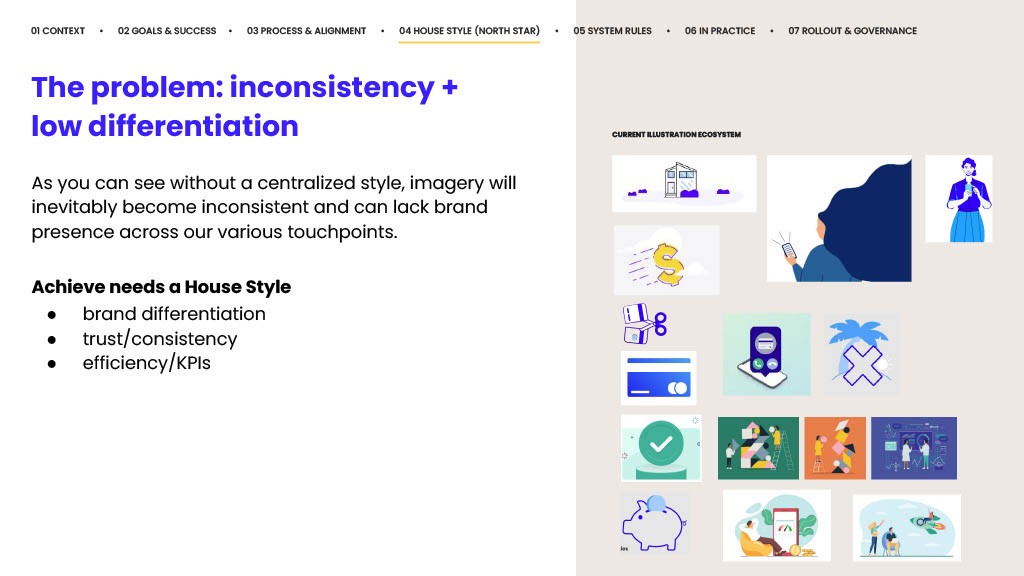
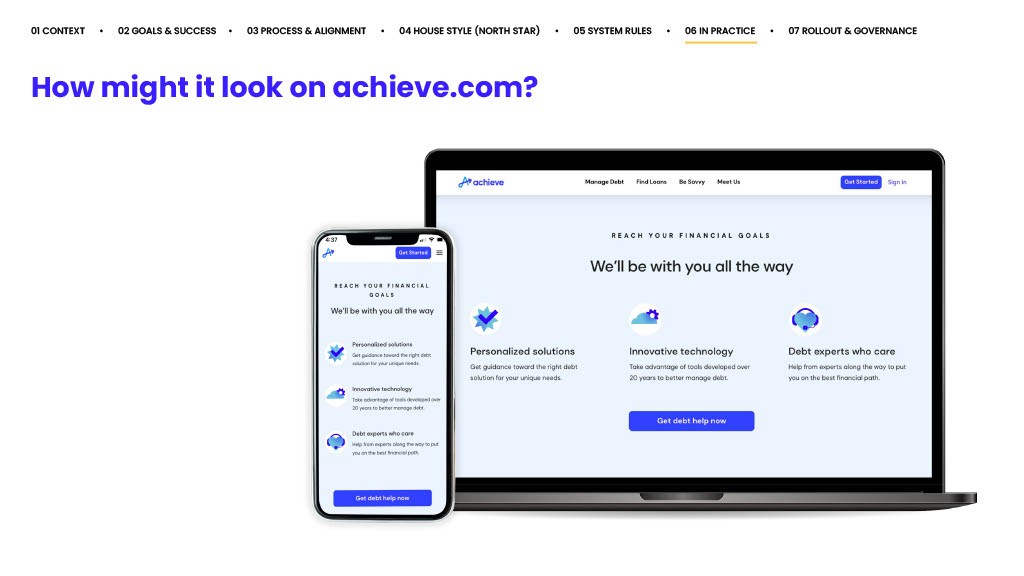
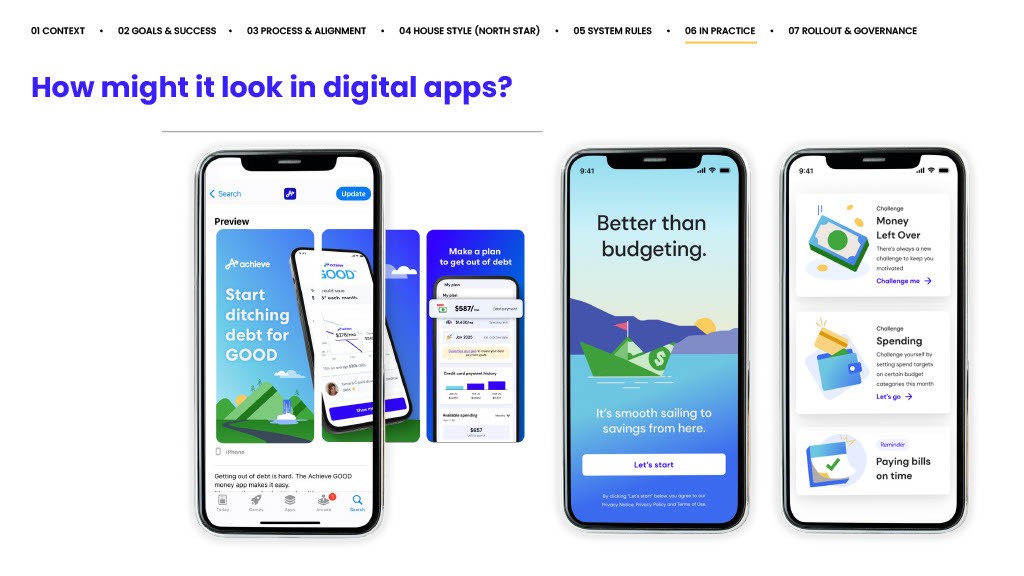
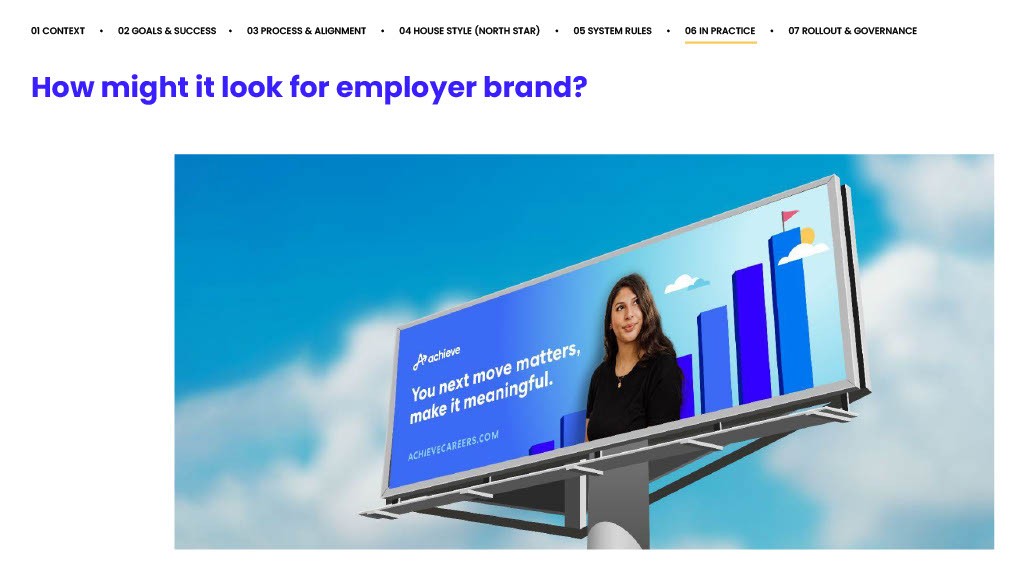
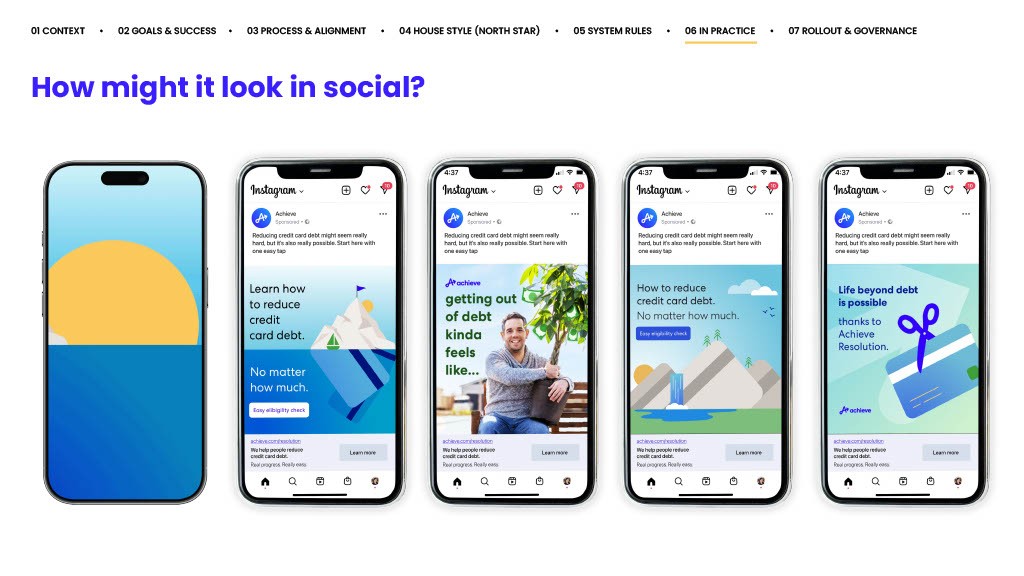
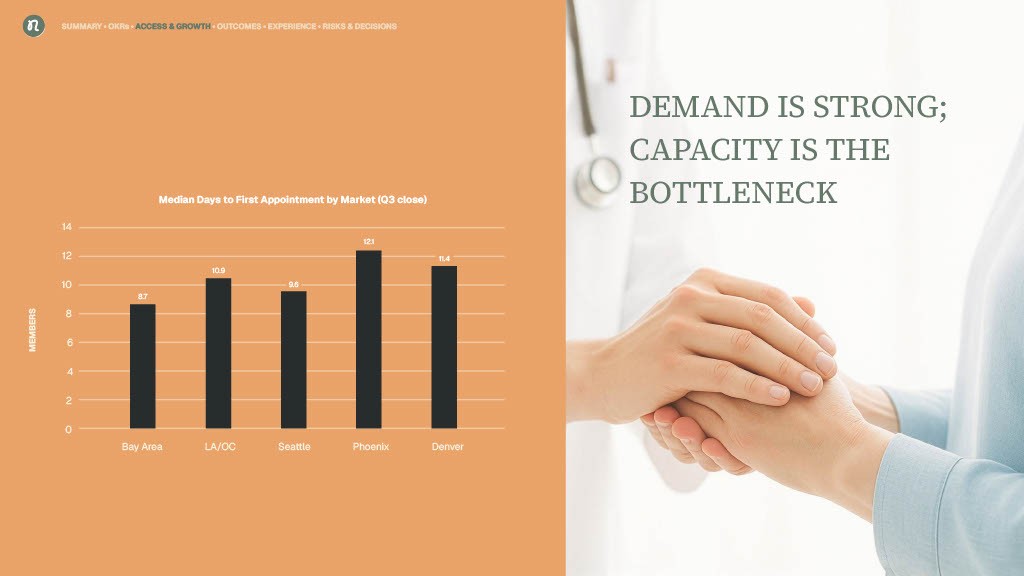
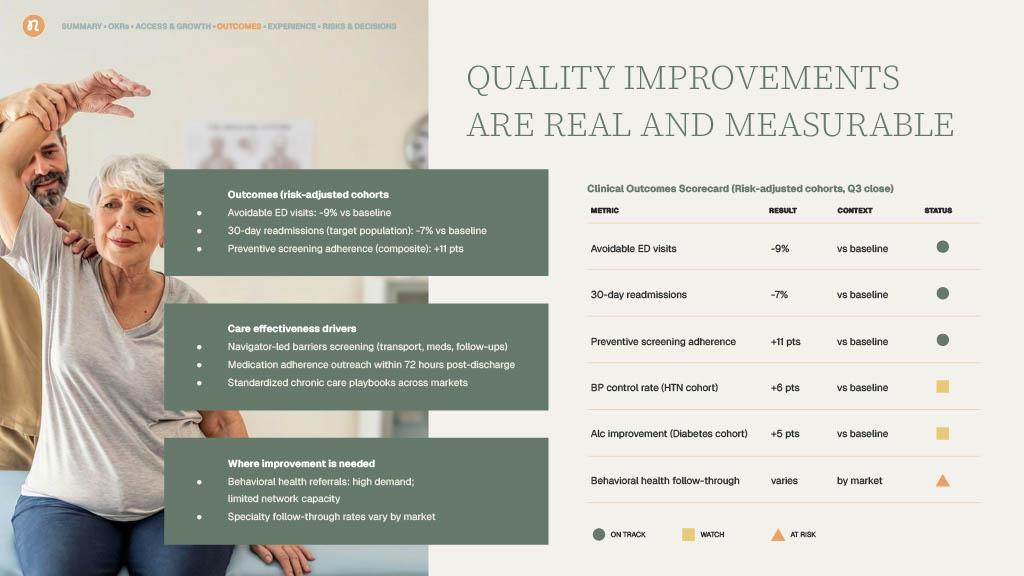
This page brings together two related types of presentation work: reusable templates created for Handshake AI to support AI model training and evaluation in presentation design, and finished deck examples created for real brand and communication needs, including Achieve.

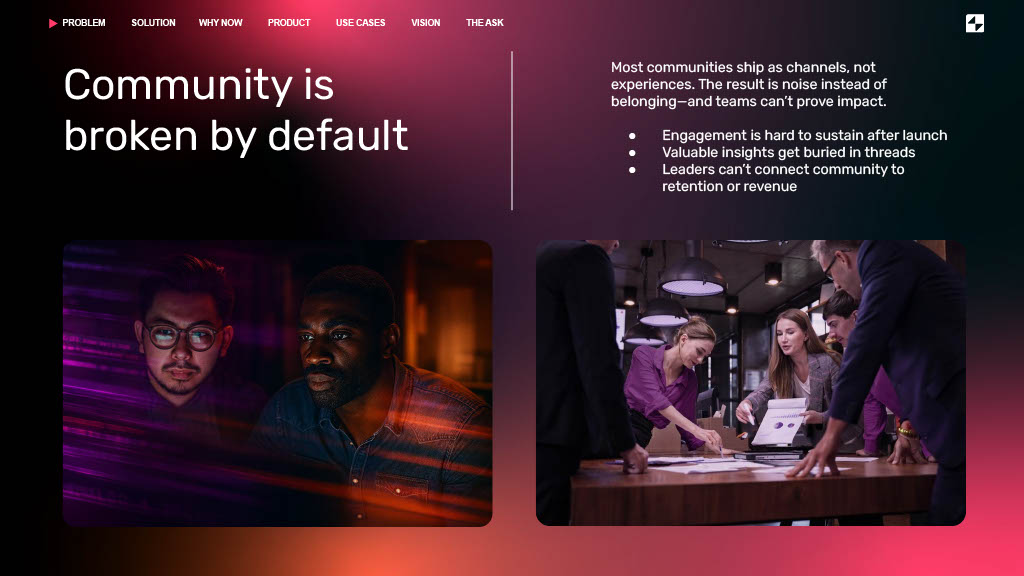
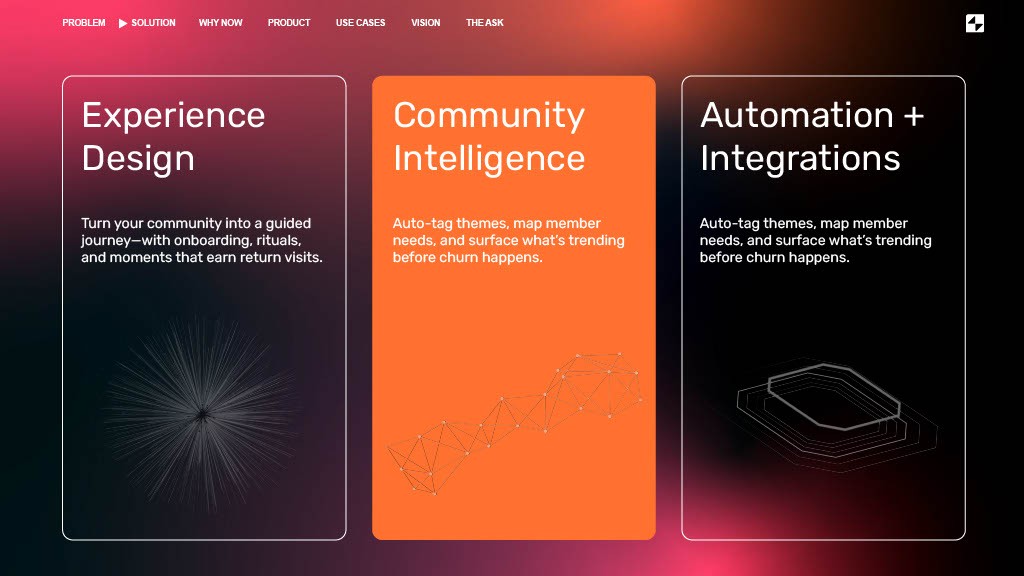

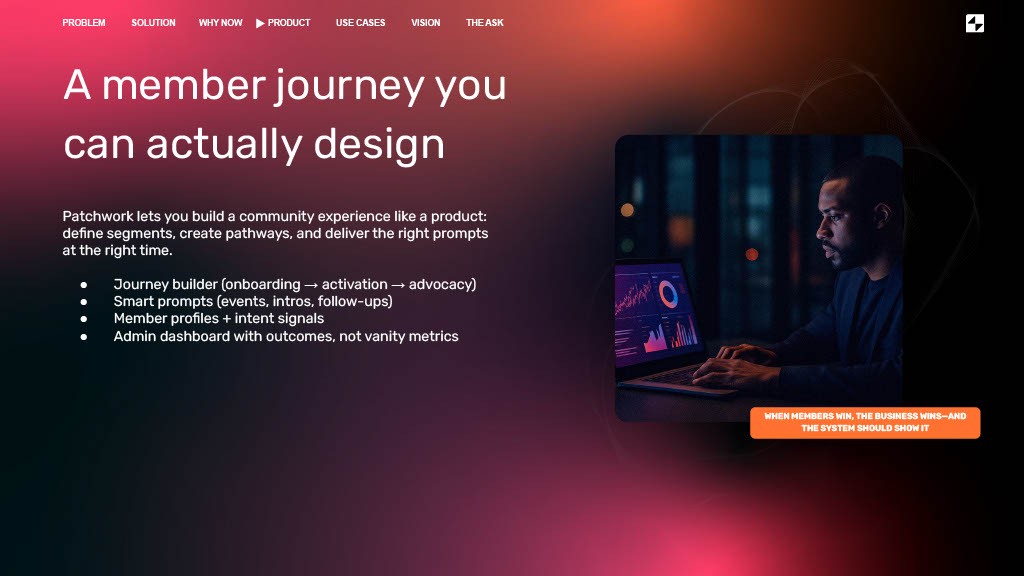
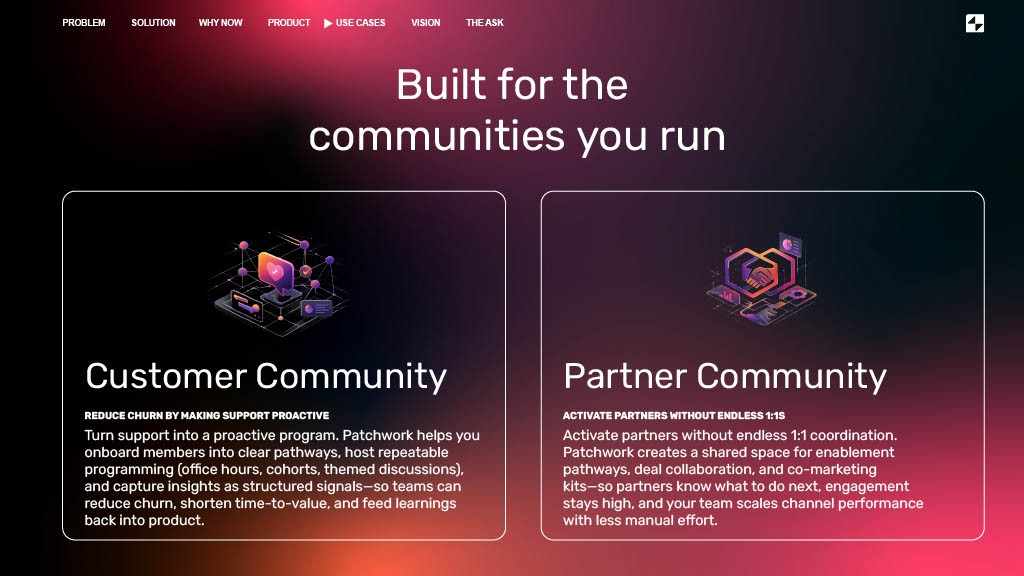
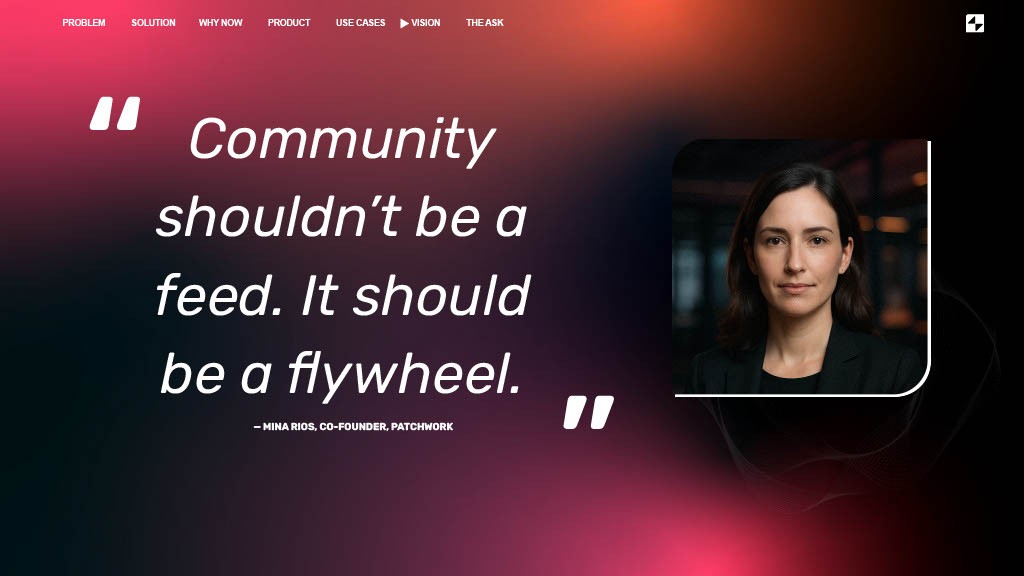

Across both contexts, my focus is the same: narrative structure, visual hierarchy, and repeatable layout logic that help information land quickly, stay organized under pressure, and remain visually coherent as content evolves. Whether the goal is building template logic for AI training or shaping a finished deck for a live brand context, the work is designed to communicate clearly and hold up across iteration.
What the Work Demonstrates
Strong presentation design depends on more than polished slides. It requires narrative clarity, disciplined hierarchy, and systems thinking that can support dense information, mixed audiences, and repeated use.
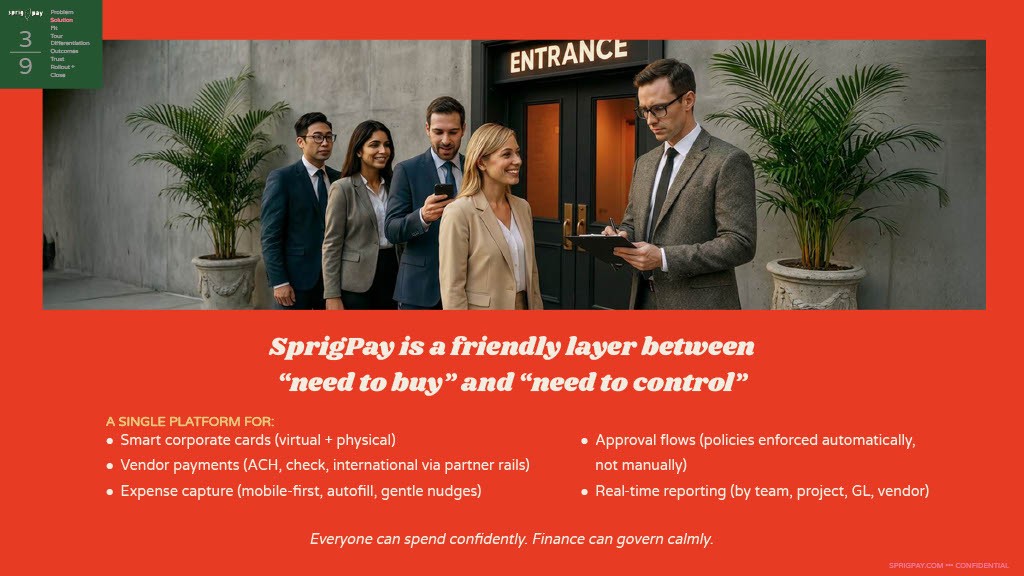
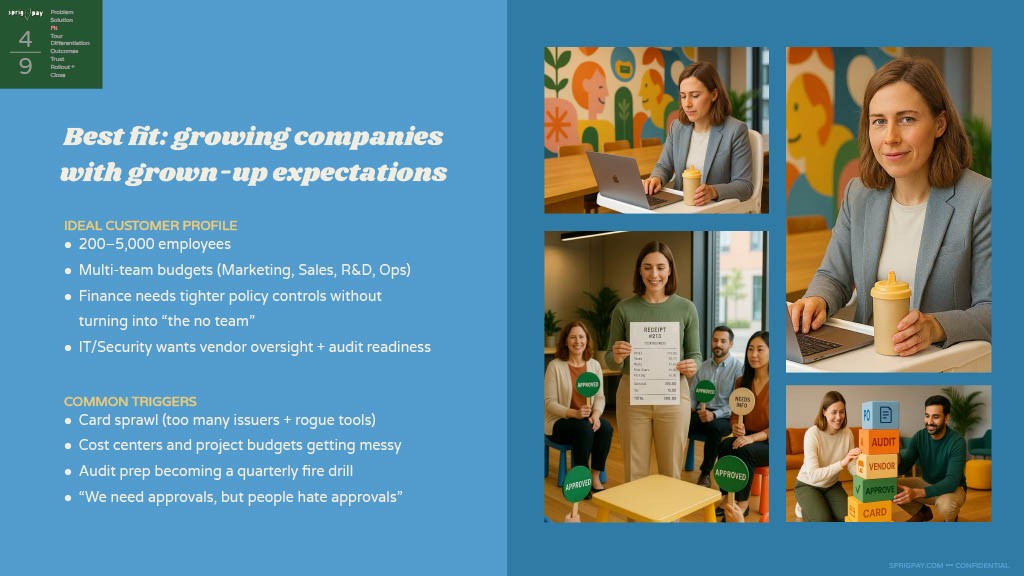
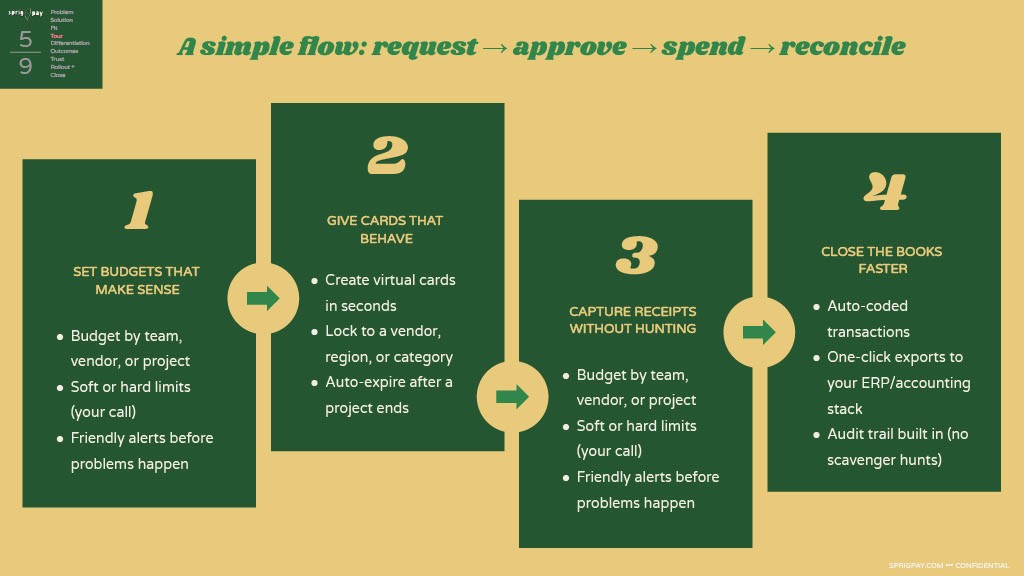
These examples show how presentation systems can guide attention, support asynchronous review, and maintain brand integrity even as content changes. They also reflect two complementary modes of work: reusable template systems built for Handshake AI’s model-training and evaluation context, and applied deck design built for specific business and brand communication needs.


Core Design Principles
Narrative clarity
I structure presentations with a clear arc so ideas build logically from slide to slide. Headlines carry the argument, supporting content stays restrained, and each slide is designed to communicate its role quickly.
Visual hierarchy under real constraints
These decks are designed to work across practical viewing conditions, whether presented live, scanned quickly by stakeholders, or reviewed as static files. Typography, spacing, color, and layout are used intentionally so key information surfaces clearly and consistently.
Brand systems applied to presentations
Presentations are often where brand systems start to break down. This work shows how brand standards can be translated into flexible deck systems with repeatable layouts, modular components, and clear usage patterns.
Templates designed for reuse and iteration
The template work was built for continued use beyond a single delivery. Each slide relies on clear layout logic, predictable spacing, and modular structures that can be edited, expanded, and reused without redesigning from scratch. In the Handshake AI context, that kind of formal consistency was especially important because the work needed to support training and evaluation around presentation-design tasks.

My Role
Across these projects, I led visual direction and developed the layout systems that gave the decks and templates their consistency and clarity. This included defining typography and color strategies, designing reusable slide components, and shaping presentation structure so the work could support both communication goals and repeatable use.
In many cases, that also meant thinking beyond individual slides to the broader system: how a deck should pace information, how templates should flex without breaking, and how visual structure could remain reliable across different content types.


Types of Work Represented
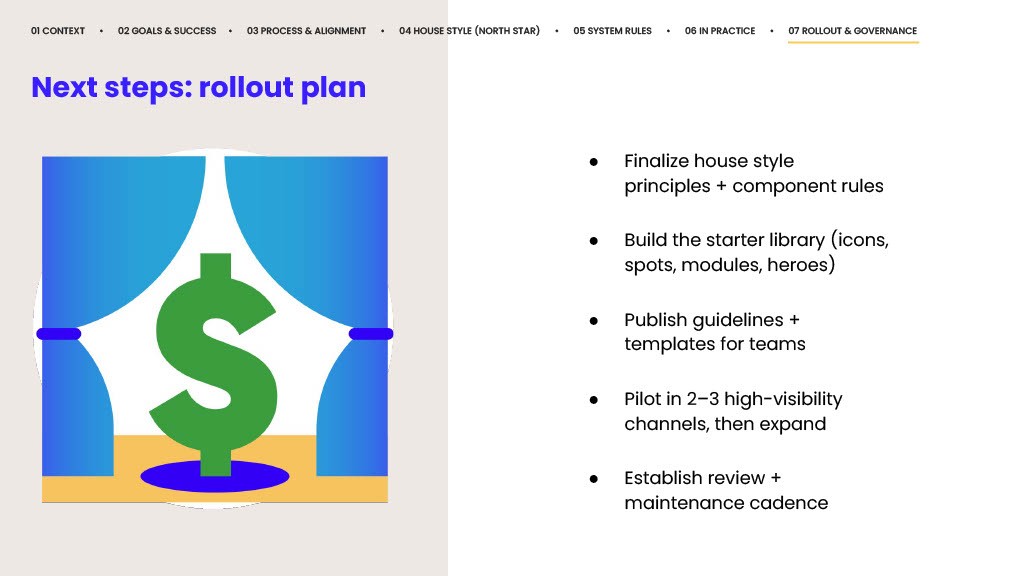
The work shown here includes both reusable presentation templates and finished deck examples.
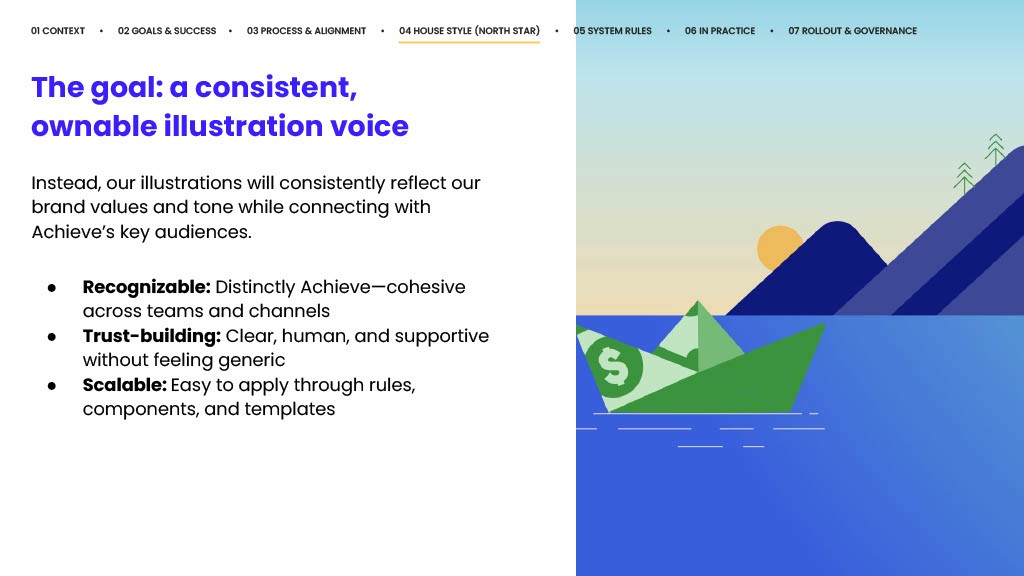
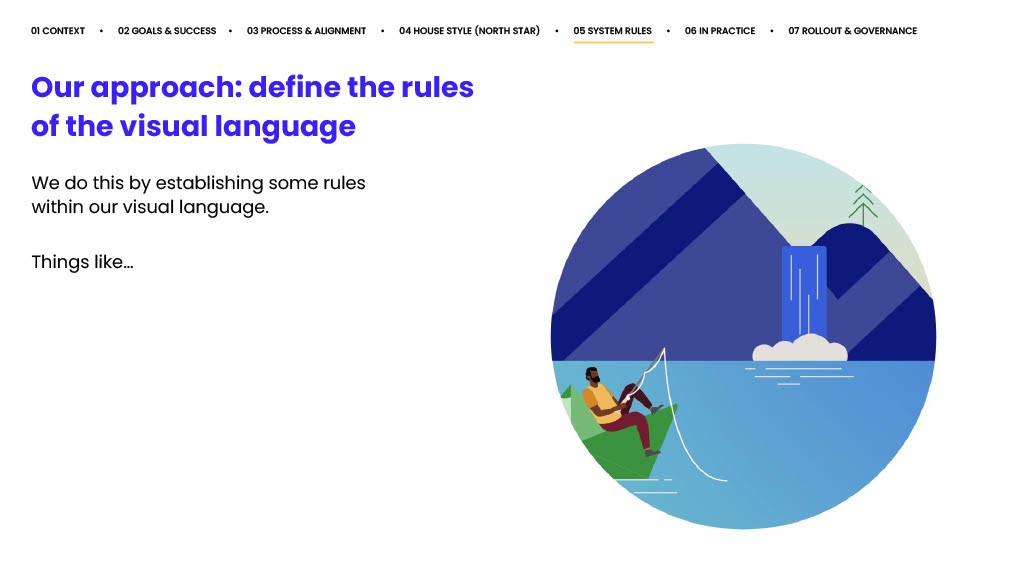
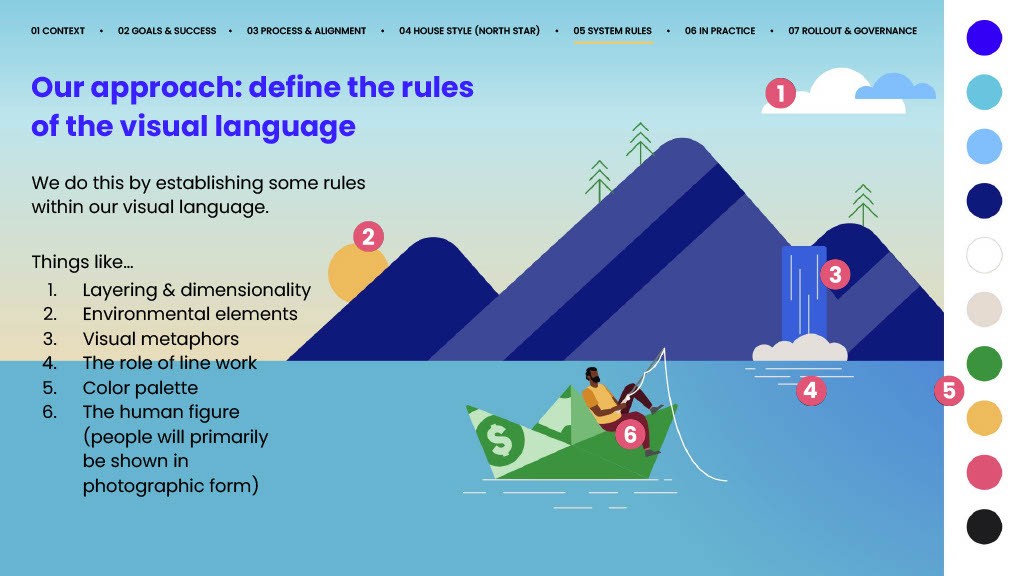
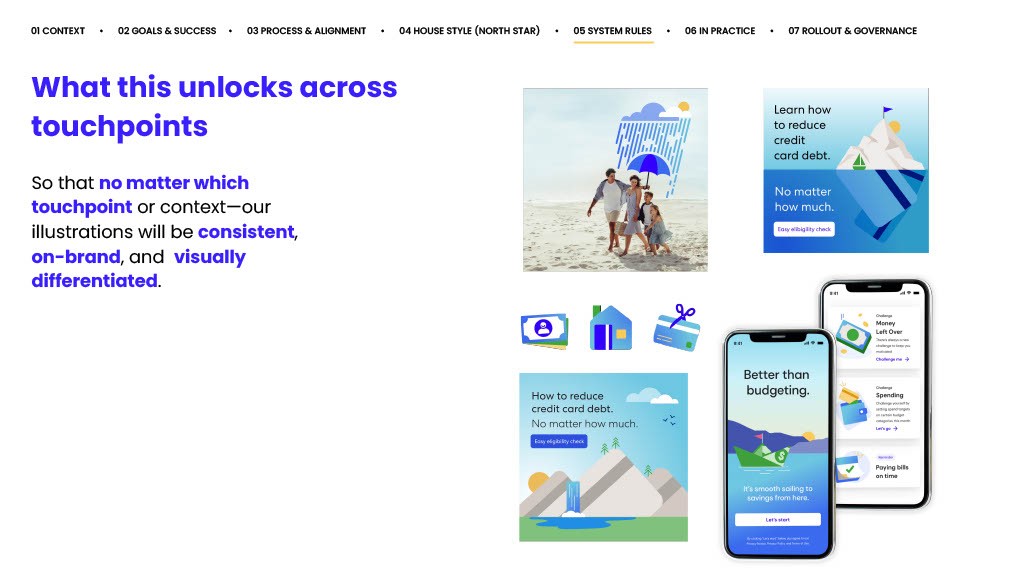
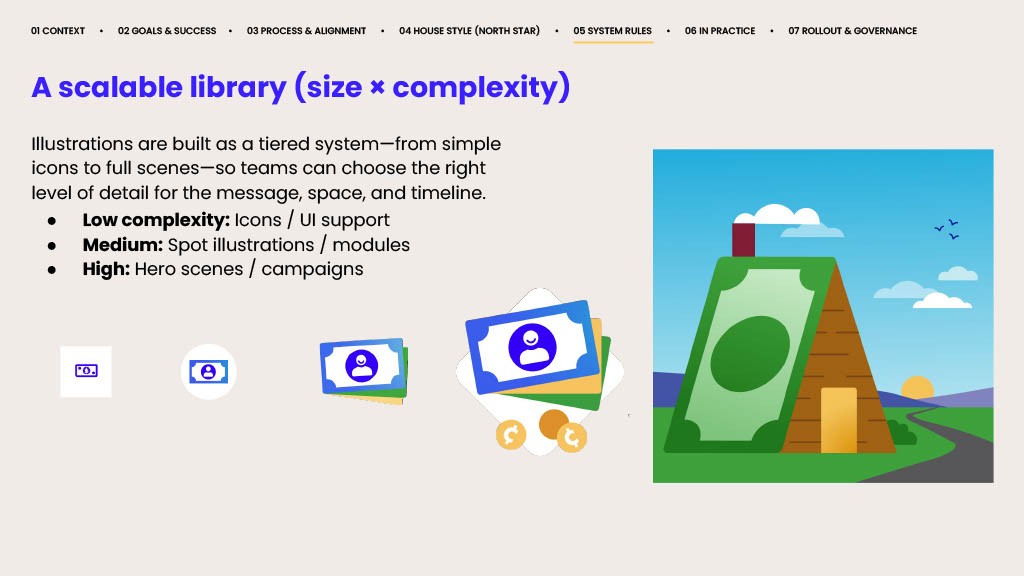
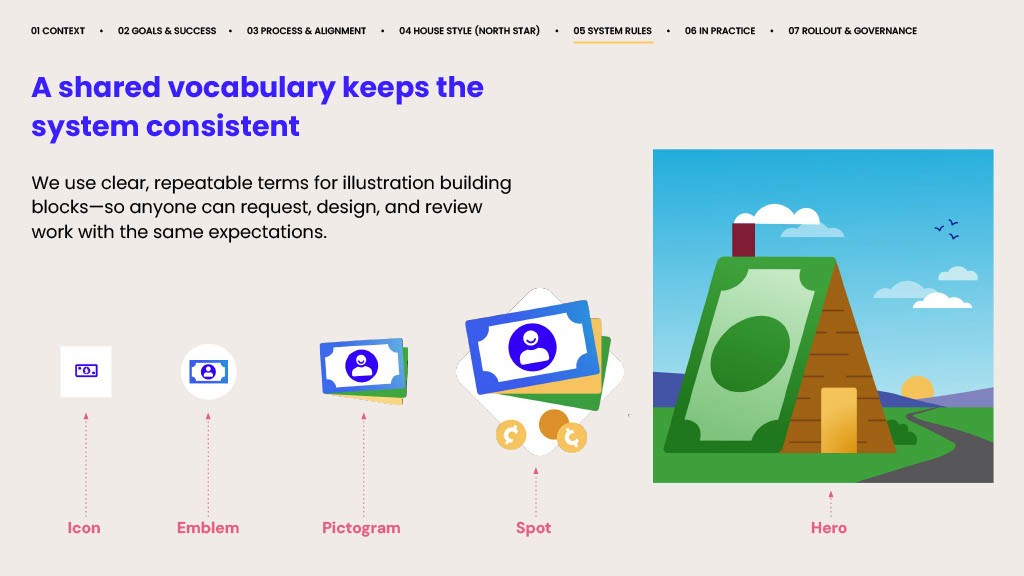
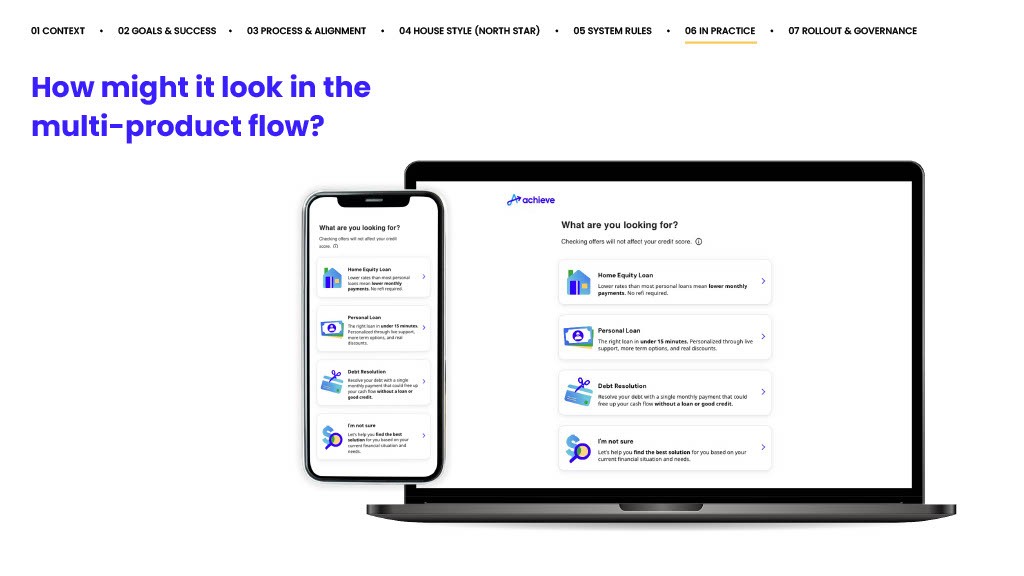
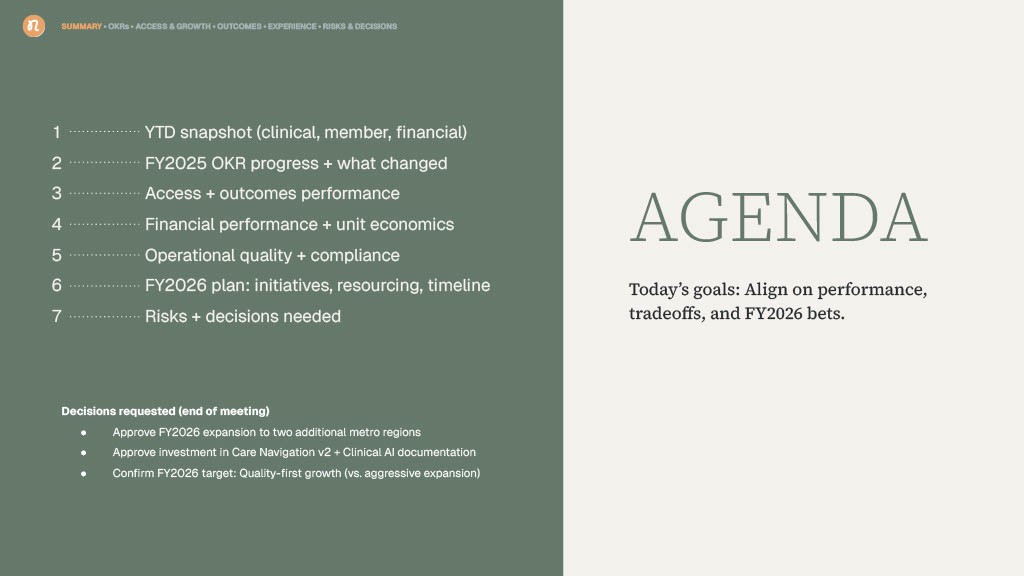
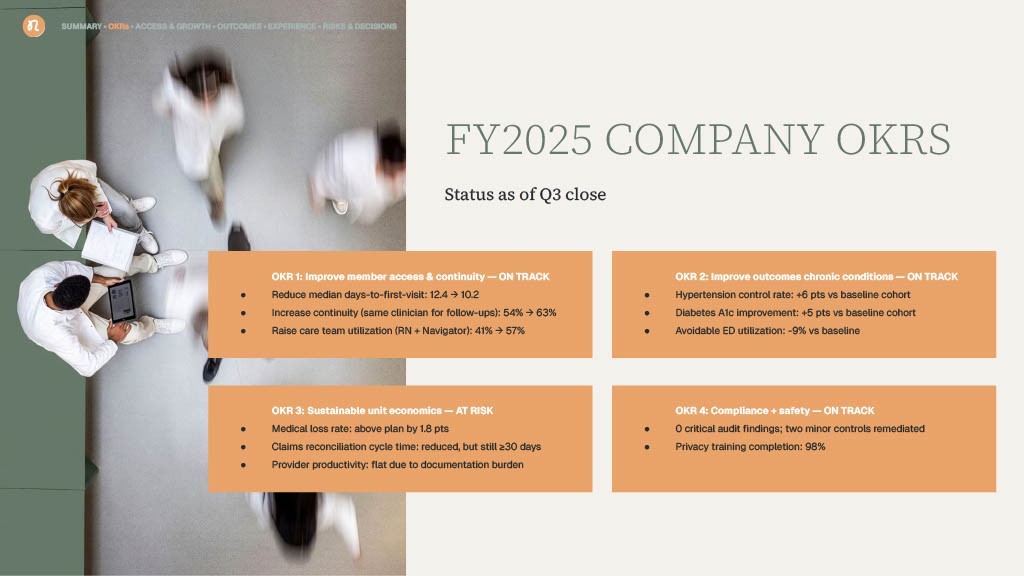
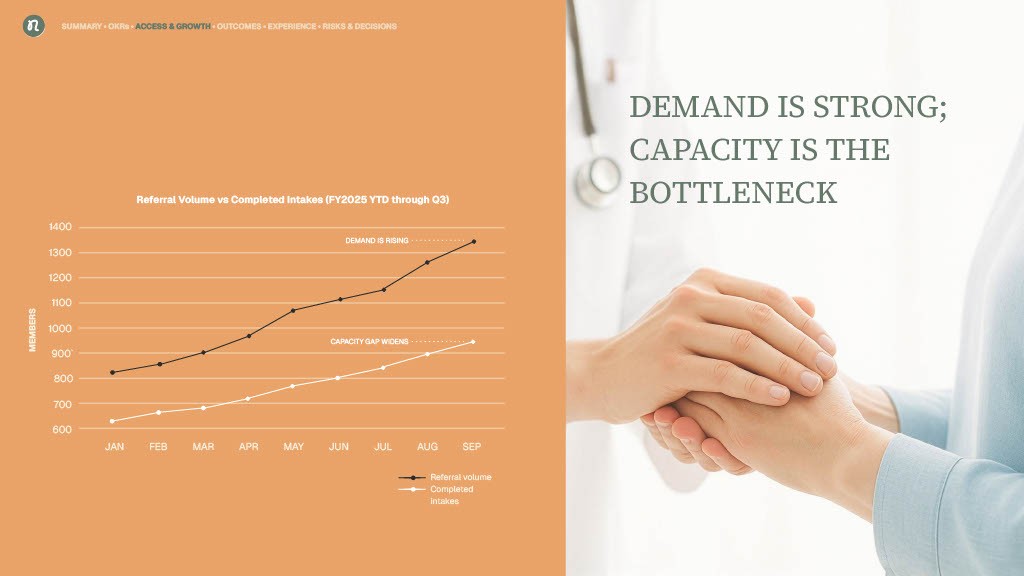
The Handshake AI work focuses on template systems designed to support presentation-design training and evaluation through clear layout logic, strong hierarchy, and repeatable structure. The Achieve example shows how those same principles apply in a real brand context, where a finished presentation needs to communicate clearly, support stakeholder alignment, and maintain brand integrity without relying on a template-first use case.
Across each example, the same principles apply: clarity, hierarchy, and system thinking in service of communication that performs under real constraints.








Why This Matters
Presentation systems are often where clarity, hierarchy, and brand discipline are tested most visibly. This work demonstrates my ability to build decks and templates that perform as systems rather than isolated slides, whether the goal is AI training, internal communication, or external storytelling.