Editorial Report Design System for Zillow Group
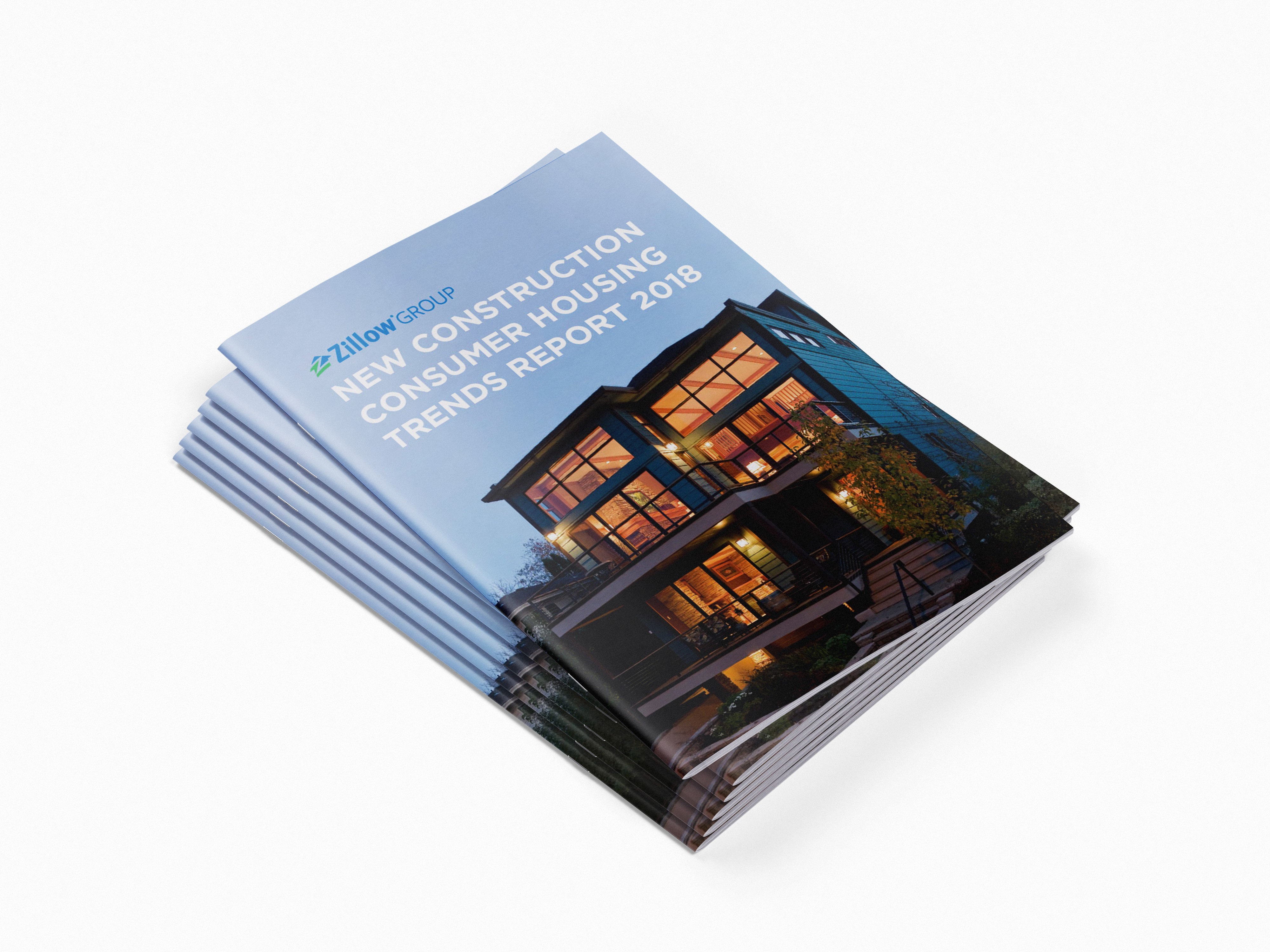
A 44-page consumer research report designed for print and digital, built around a flexible editorial system that could handle varied data without losing clarity or brand cohesion.
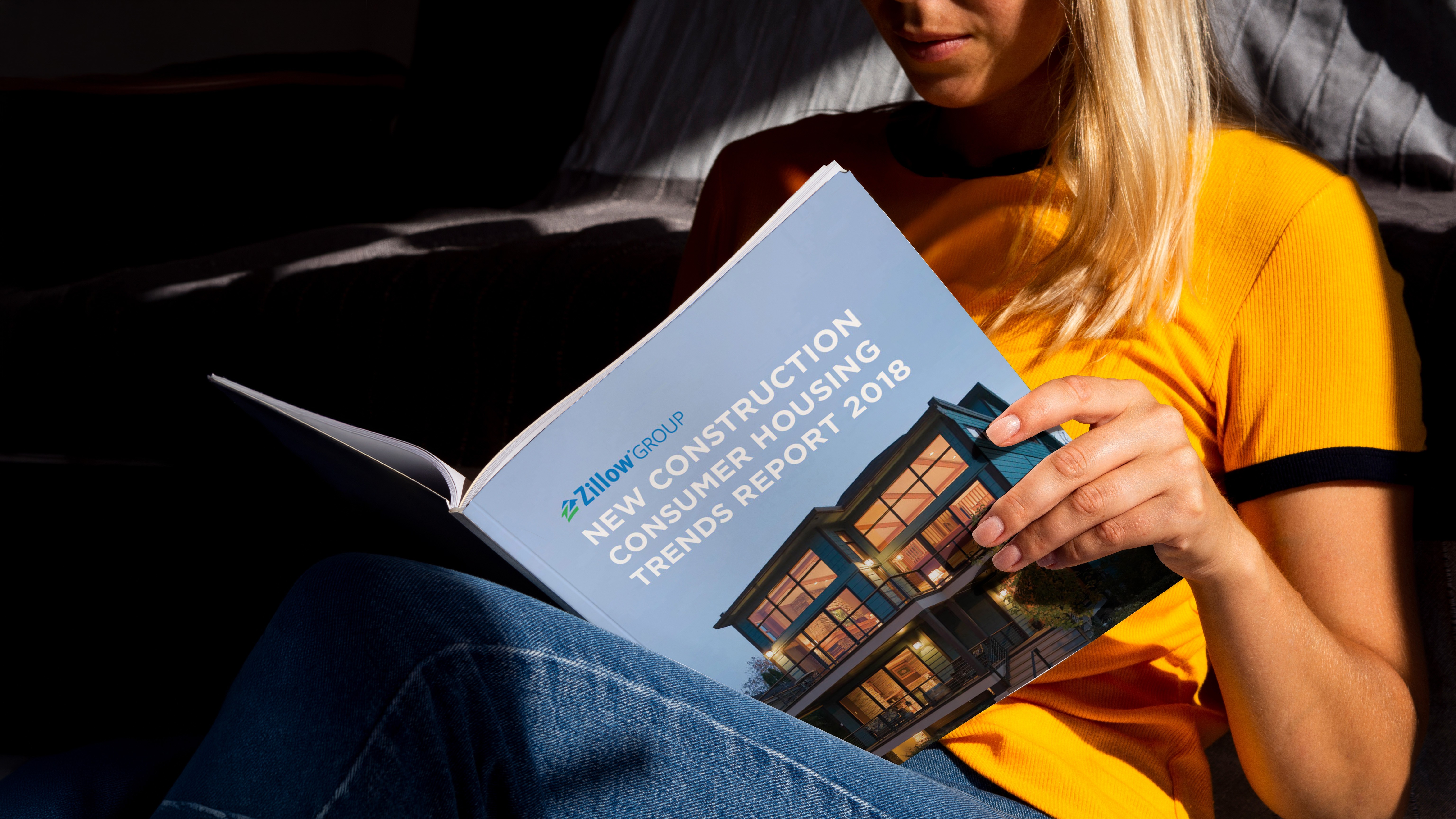
The work solved a real communication problem by turning a complex long-form report into a consistent reading experience. It replaced page-by-page decisions with a reusable editorial structure, improved clarity across multiple data types, and gave the final document a stronger sense of rhythm, hierarchy, and brand cohesion under tight production constraints.
Zillow Group needed a consumer-facing research report that could communicate insights clearly and credibly while staying visually aligned with the brand.
My Role
Visual & Editorial Designer
I supported the design and production of the report by translating content and data into a consistent set of layouts, typographic rules, and chart treatments. My work included repeatable page templates, data visualization styling, layout hierarchy, and final preparation for both digital PDF and print output.
The Challenge
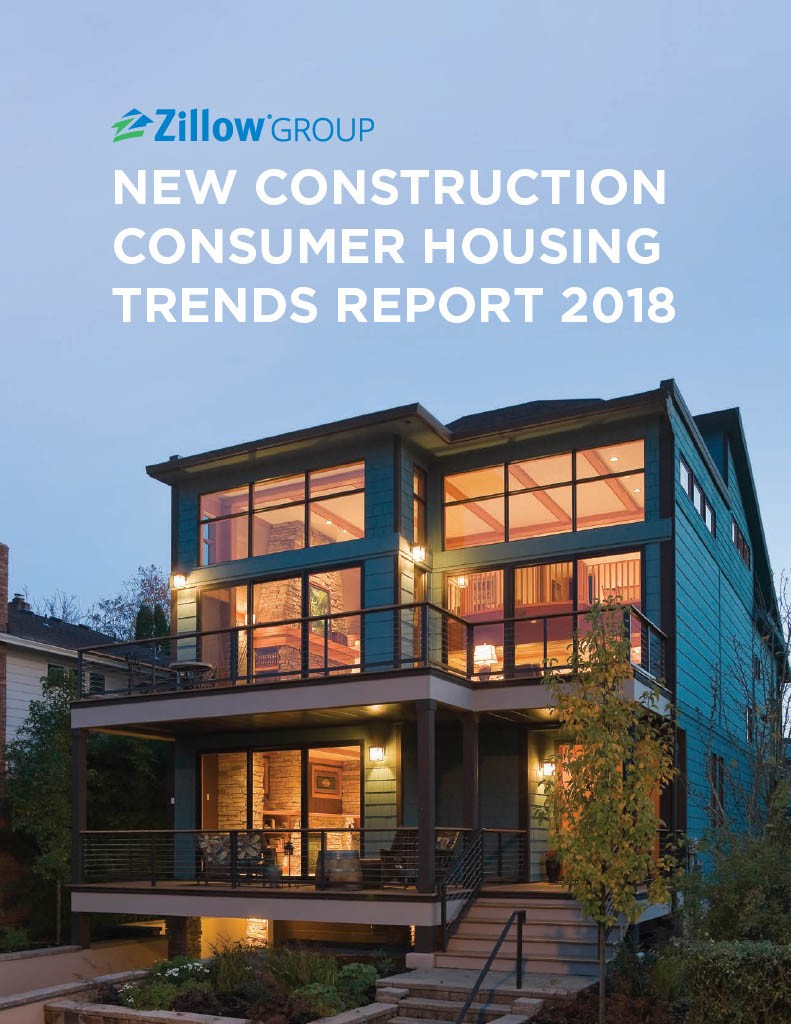
The report needed to hold together as one cohesive branded experience while accommodating a wide range of content types. That included section openers, narrative pages, data-heavy spreads, tables, callouts, and key findings. The system had to be flexible enough to support different information densities and chart formats, but disciplined enough to remain readable, consistent, and on brand from cover to final page.
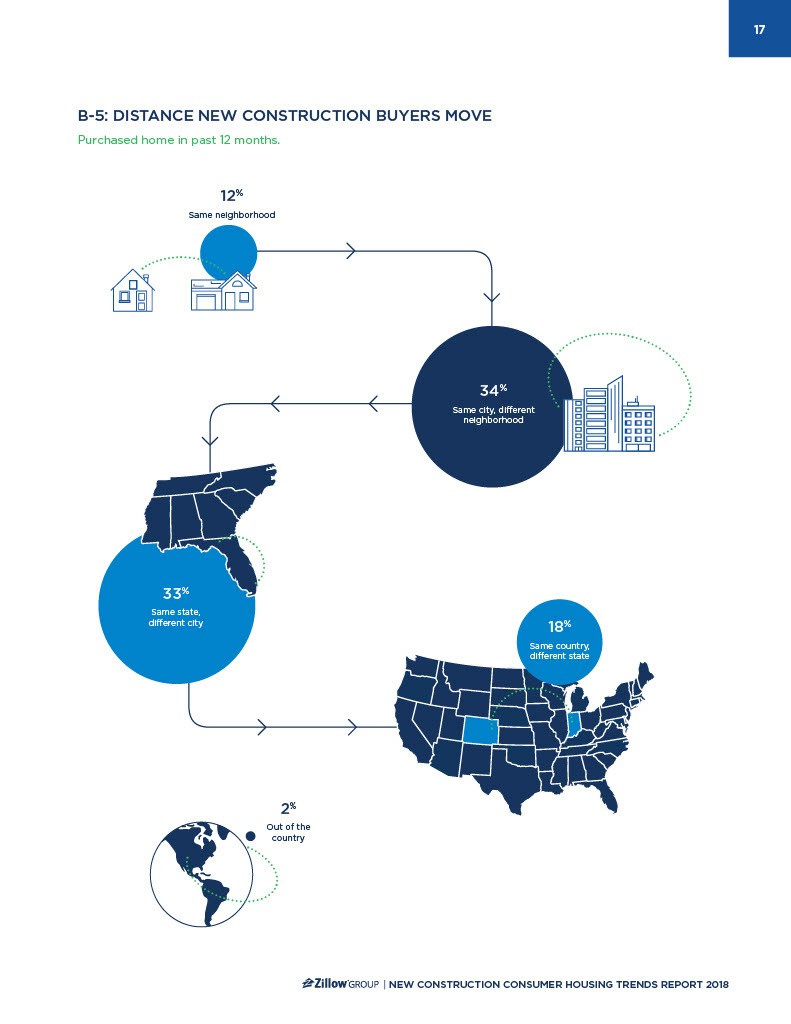
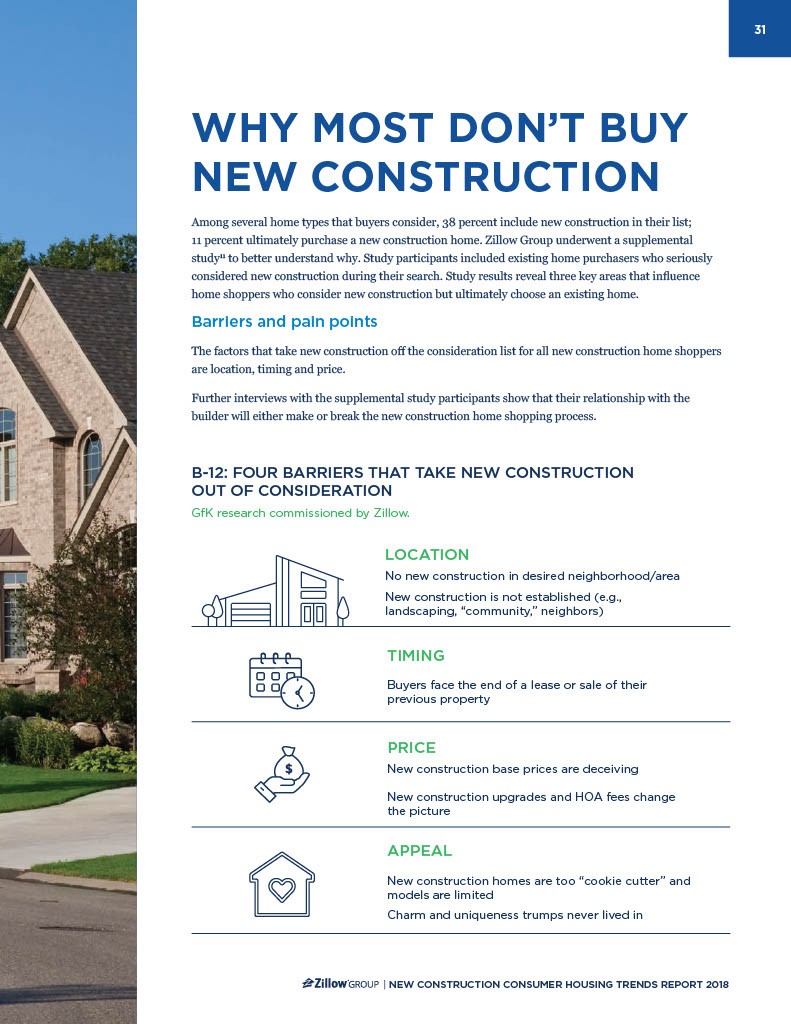
Building the System
The fastest path to quality was a strong foundation. I helped build the report around a clear grid, a dependable typographic hierarchy, and a repeatable editorial rhythm that could move cleanly between narrative, data, and key takeaways. This created structure across the full 44-page document and made the report easier to scan in both digital and print formats.
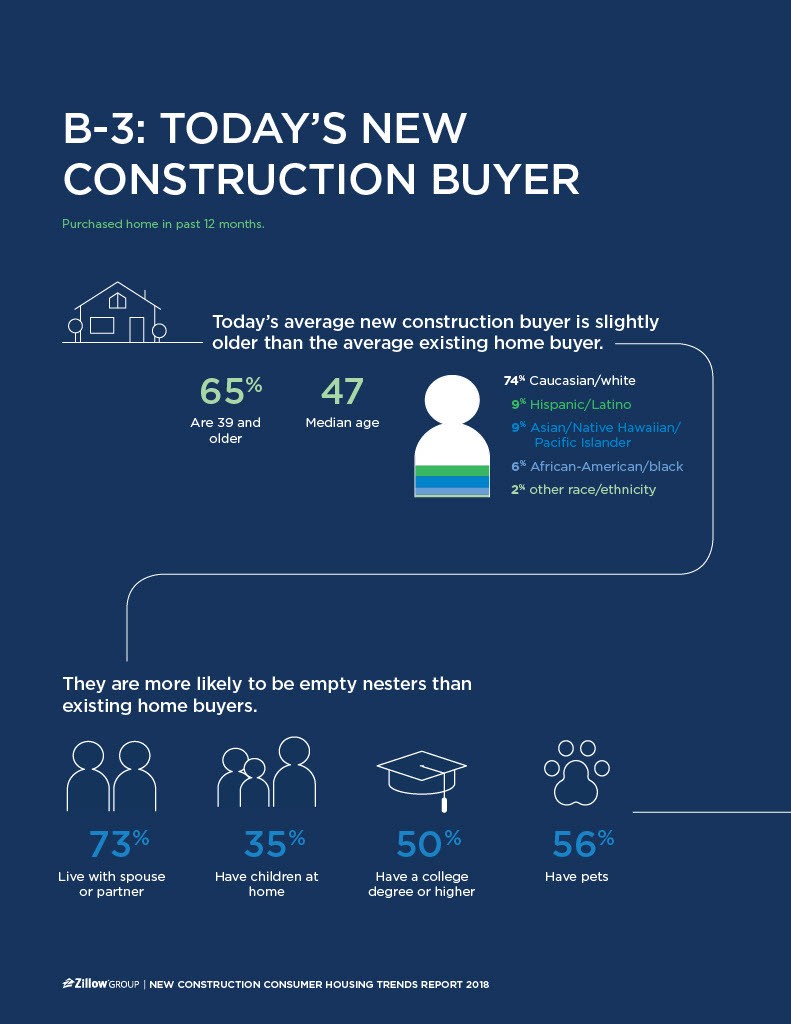
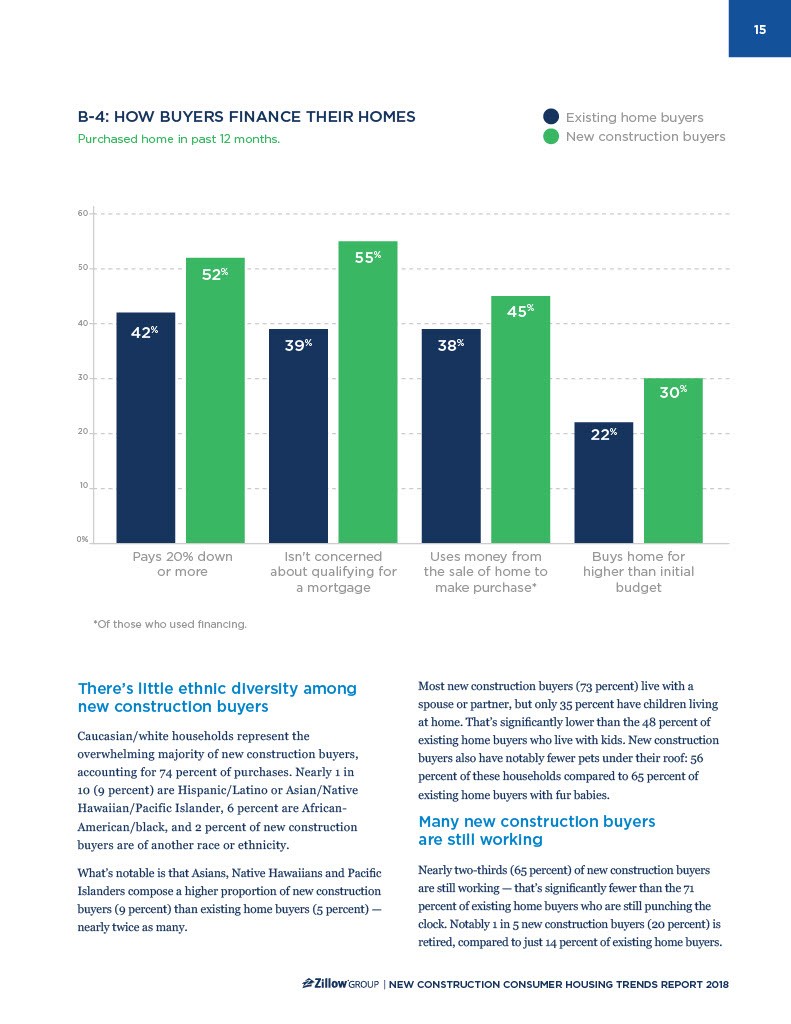
A major part of the work was standardizing the data visualization language. Because the report included multiple chart types and dense information, consistency had to come from rules rather than one-off styling. I applied consistent treatments for chart typography, axes, labels, spacing, annotations, and restrained color use so readers could move through the report without having to re-learn how each page worked.
To support speed without sacrificing cohesion, the layouts were built as modular templates. Section openers, narrative pages, data-heavy pages, and key-takeaway pages all followed repeatable logic, which reduced rework and helped maintain a unified visual experience as content evolved.
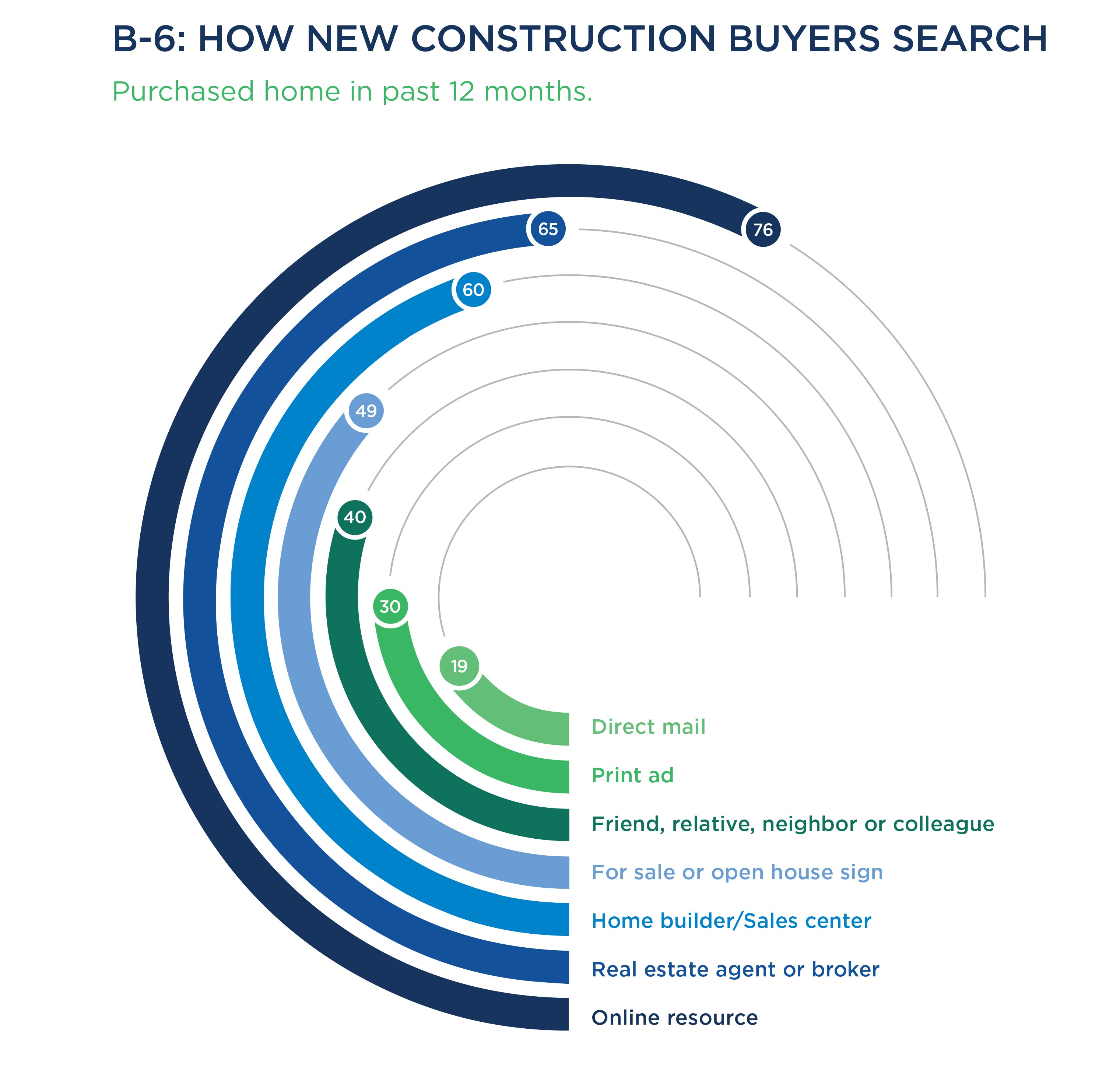
Applying the System
The system was designed to work across the full range of editorial conditions inside the report.
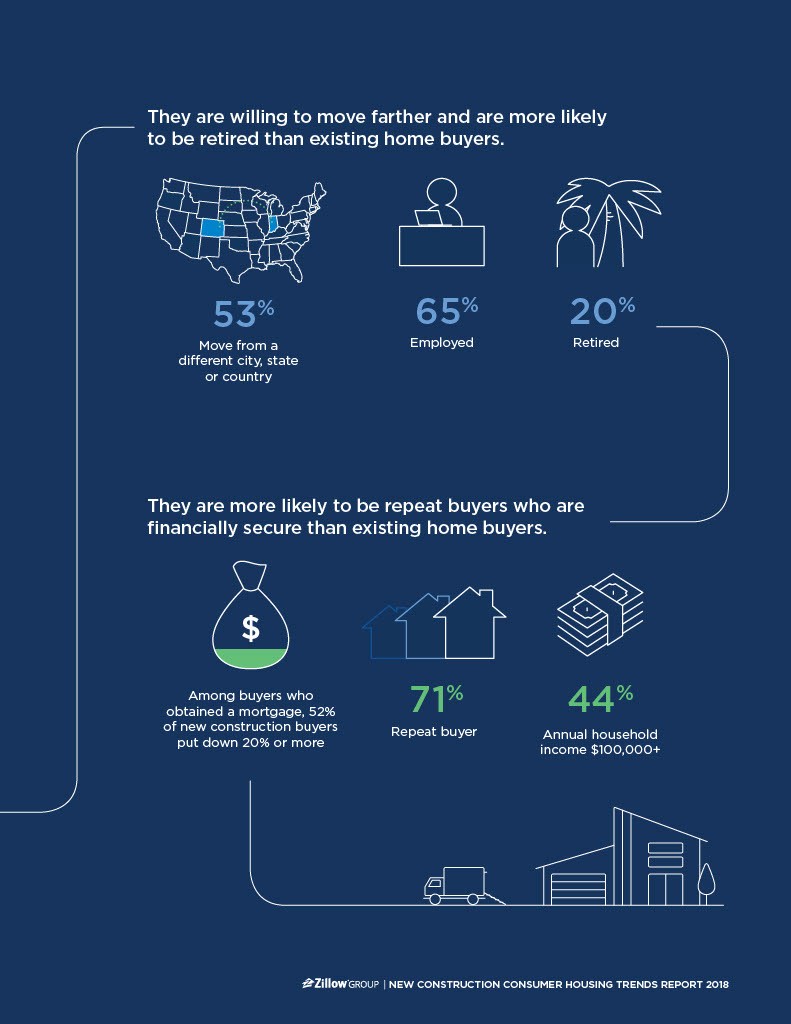
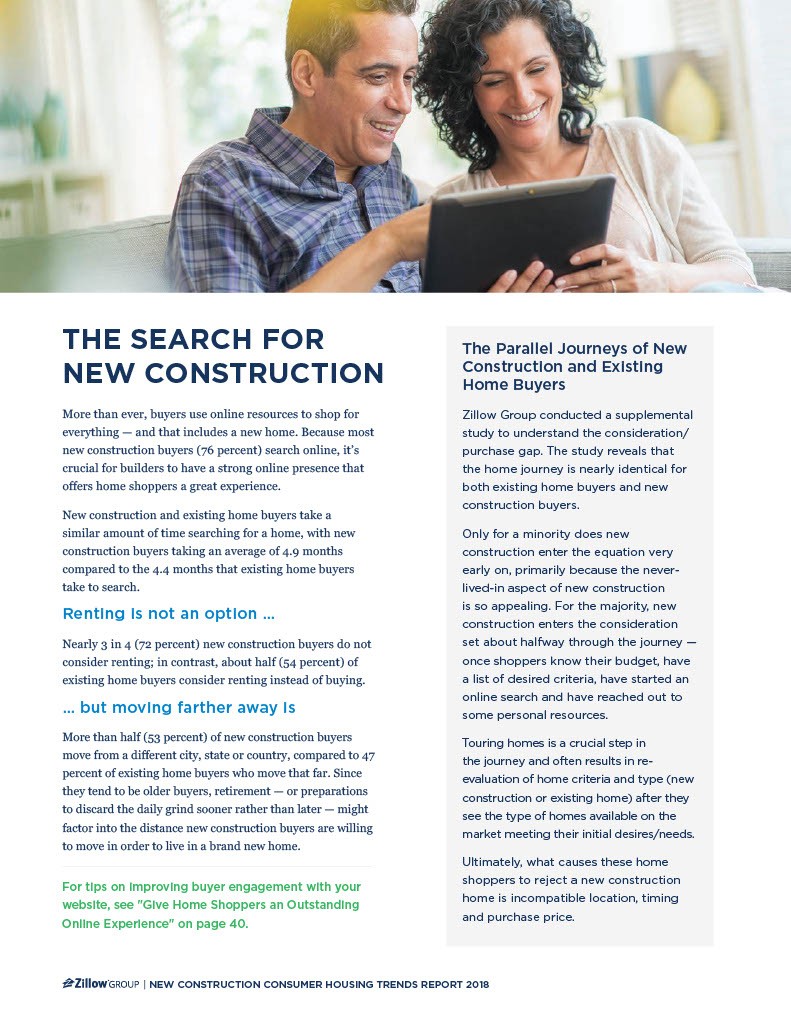
Section openers created structure and pacing, helping readers orient quickly as topics changed. Narrative pages relied on clear type hierarchy, spacing, and callout patterns to keep longer reading approachable and scannable. Data-heavy pages used consistent grouping, labeling, and visual emphasis so charts and tables remained understandable without losing composure or brand alignment. Across all page types, the goal was the same: create a report that felt credible, readable, and cohesive even as the content shifted in density and format.
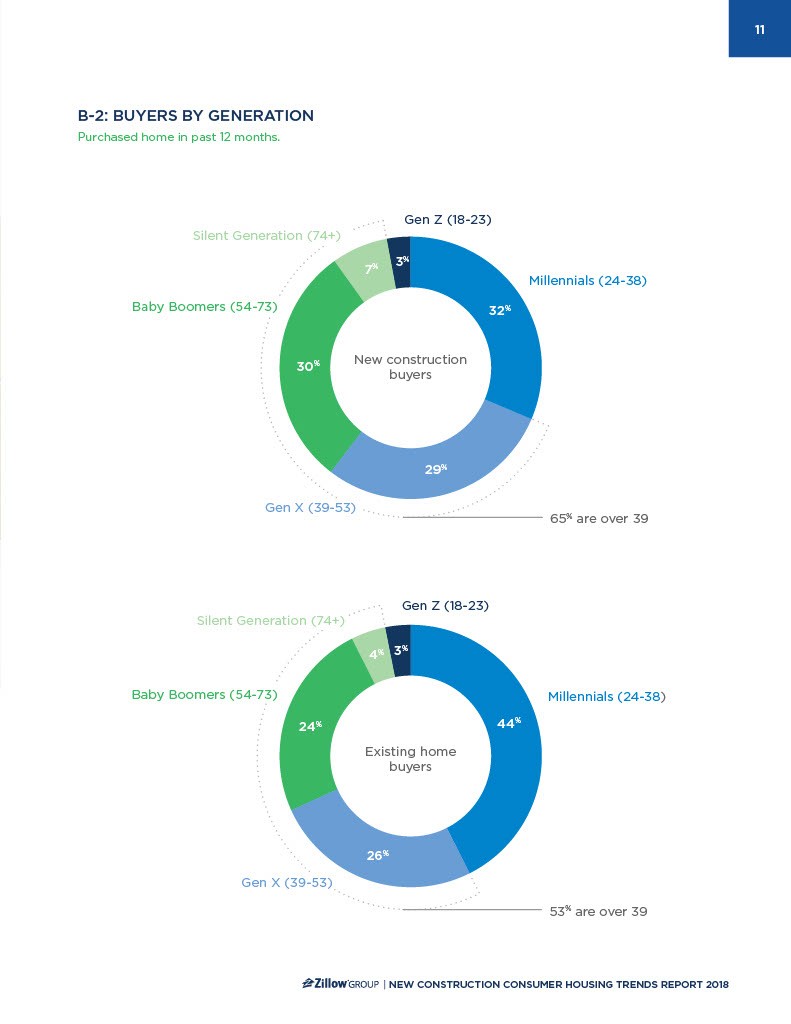
Outcomes
The final deliverable was a 44-page report for print and digital that read as one cohesive branded experience while supporting a wide range of editorial and data content. More broadly, the project demonstrated my ability to build editorial systems under real constraints, create consistent data-visualization language across varied content types, and deliver production-ready long-form design without compromising clarity or craft.